
A sex doll is a life-size, anatomically realistic companion made from soft TPE or premium silicone. Most people assume there’s only one reason anyone buys one. The truth is far more human.
Table of Contents
At SweetieDoll, we’ve spoken with thousands of owners. Their reasons stretch from companionship and creativity to comfort during hard times. Research agrees. A 2022 study in the Journal of Sex Research found that roughly 1 in 3 owners keep a doll for mainly non-sexual reasons. That’s the surprise most headlines miss.
This guide walks through the 10 real reasons people buy a love doll. You’ll get the facts, the context, and honest guidance — whether you’re simply curious or weighing your first purchase. Let’s clear up the myths and look at what actually drives this choice.
What is a sex doll, and what is it made of?
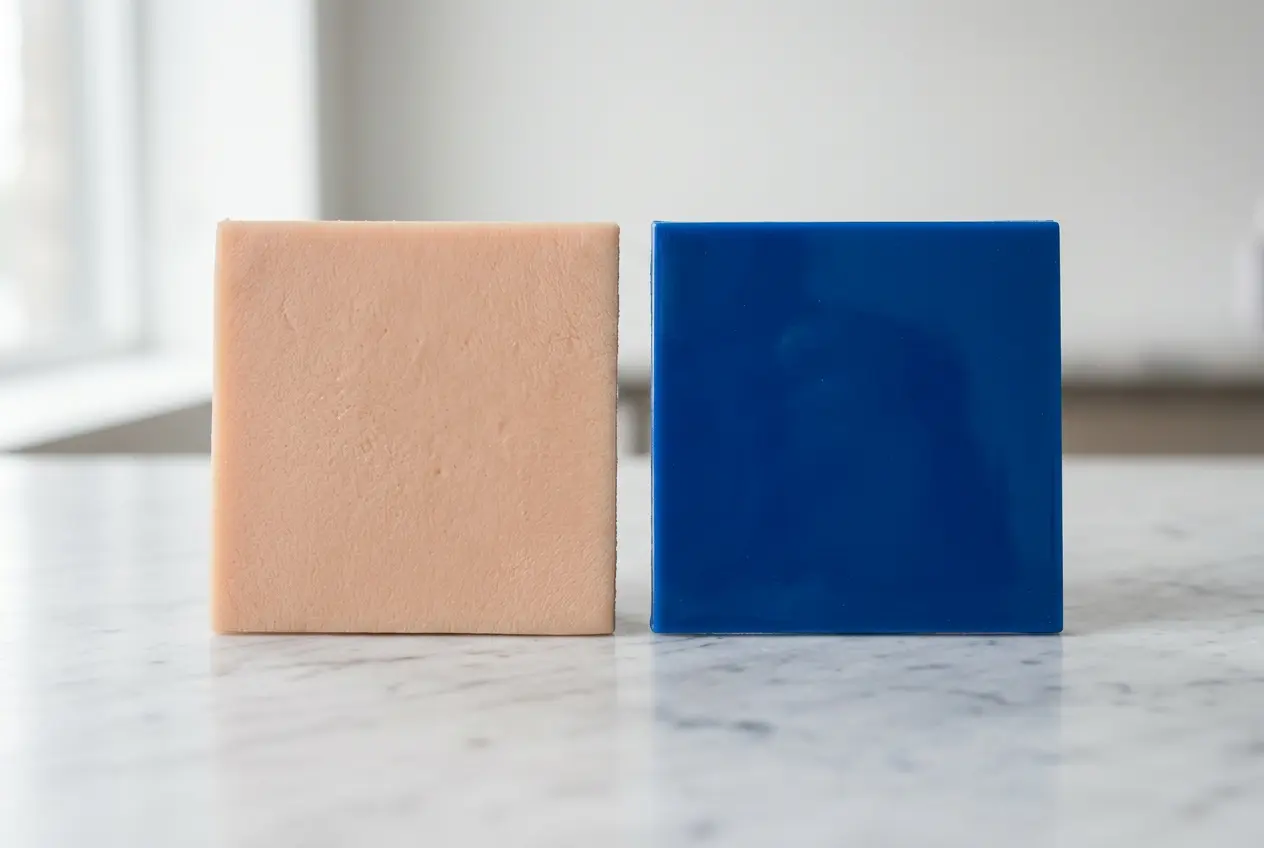
A sex doll is a full-body or torso-style synthetic companion built over a poseable metal skeleton. Makers use one of two main materials. TPE (thermoplastic elastomer) feels soft and skin-like and usually costs $1,000–$2,000. Platinum-cured silicone feels firmer, shows finer detail, and runs $4,000–$10,000+.
The two materials also differ in care. TPE is porous, so it needs more careful cleaning and drying. Silicone is non-porous, heat-resistant, and easier to keep hygienic. Both can last for years with the right routine.
| Material | Feel | Price range | Care | Best for |
|---|---|---|---|---|
| TPE | Soft, flexible, skin-like | $1,000–$2,000 | More care (porous) | First-time and budget buyers |
| Silicone | Firm, highly detailed | $4,000–$10,000+ | Easy to clean (non-porous) | Realism and long-term use |
To put it simply: pick TPE for softness and value, or silicone for realism and easy upkeep.
Is it normal to want a sex doll?
Yes — and the research is reassuring. A 2022 Nottingham Trent University study of 158 owners found they were no more prone to sexual aggression than people who don’t own dolls. In other words, owners are psychologically much like everyone else.
The same body of research breaks the old “lonely loner” stereotype. The average owner was 38 years old, and the group included single, married, and partnered people. Ownership is also growing fast. The global market reached USD 6.6 billion in 2025 and is on track for USD 13.4 billion by 2033, according to Grand View Research.
Roughly one in three owners keep a doll for reasons that have nothing to do with sex.
The short answer is this: wanting a love doll is far more common, and far more ordinary, than most people think.
The 10 reasons people buy sex dolls
People buy a sex doll for connection, comfort, creativity, and control — not just for sex. Below are the 10 most common reasons, each grounded in owner surveys and published research. Here’s the quick version before we dig in.
| # | Reason | Who it often helps | Key fact |
|---|---|---|---|
| 1 | Companionship | People living alone | 43% call their doll a “companion” |
| 2 | Easing loneliness | Socially isolated adults | +51.6% single-buyer orders in early 2020 |
| 3 | Sexual pleasure & fantasy | Solo users | Up to 70% cite this as the main reason |
| 4 | Spicing up a couple | Couples | +33.2% couples’ orders, April 2020 |
| 5 | Accessible intimacy | People with disabilities | A recognized owner group |
| 6 | Comfort after loss | Widowers, grieving people | Often customized to a lost partner |
| 7 | Art & photography | Artists, photographers | Featured in gallery exhibitions |
| 8 | Collecting & customizing | Hobbyists | Face, body, and wig are customizable |
| 9 | Confidence & less anxiety | Nervous or inexperienced buyers | A low-pressure setting |
| 10 | Freedom from pressure | People tired of dating stress | Owners aren’t more aggressive than non-owners |
1
Companionship and everyday presence
Many people buy a sex doll for steady companionship — a warm, judgment-free presence at home. In one 2018 study, 43% of owners described their doll as a “companion” and 44% as a “lover,” while only 14% saw it as sex-only.
For these owners, the doll becomes part of a daily routine: getting dressed, sharing a room, feeling less alone. A whole online community of owners, sometimes called iDollators, treats their dolls as genuine companions.
2
Easing loneliness and isolation
A sex doll can ease loneliness by offering reliable company when human connection feels out of reach. When lockdowns hit in early 2020, one retailer reported a 51.6% jump in orders from single men in February–March 2020, as covered by Forbes.
Experts add one honest caveat. A doll works best alongside human relationships, not as a full replacement for them. Still, for someone facing deep isolation, that steady presence can genuinely help.
3
A safe outlet for sexual pleasure and fantasy
Sexual pleasure is the most common single reason people buy a sex doll — up to 70% name it as the main function. Yet for more than 8 in 10 of those owners, it isn’t the only reason, according to researchers Craig Harper and Rebecca Lievesley.
A doll offers a private, pressure-free way to explore fantasy and preference at your own pace. There’s no risk of STIs or pregnancy, and no one else to please but yourself.
4
Spicing up a couple’s relationship
Couples buy sex dolls to add variety, explore shared fantasies, and stay connected through distance or mismatched desire. One retailer saw couples’ orders climb 33.2% year-on-year in April 2020, per Forbes reporting.
The healthiest approach starts with communication and consent. When both partners are on board, a doll can become a playful, low-stakes way to try something new together.
5
Accessible intimacy for people with disabilities
For some people with disabilities, a sex doll offers a private, independent way to experience physical intimacy. Researcher Dr. Kate Devlin, author of Turned On, documents this as a real and valued use case.
The appeal here is autonomy and dignity. A doll can make intimacy possible on one’s own terms, complementing other accessible aids rather than replacing human closeness.
6
Comfort and healing after loss
Some widowers and grieving people buy a love doll for comfort and companionship after losing a partner. In some cases, owners customize the doll to resemble a spouse they’ve lost, keeping a sense of presence close.
This use is largely reported rather than clinically studied, so it’s not a medical treatment for grief. But for some people, the quiet companionship offers real emotional comfort during a painful time.
7
Art, photography, and creative work
Artists and photographers buy sex dolls as endlessly patient, poseable models for striking work. Photographer June Korea built a celebrated series around a doll named “Eva,” and Elena Dorfman’s project Still Lovers has been exhibited widely.
A doll never gets tired, never breaks a pose, and lets artists explore themes of intimacy, loneliness, and the human form. Within collector circles, doll photography is a serious creative pursuit.
8
A collecting and customizing hobby
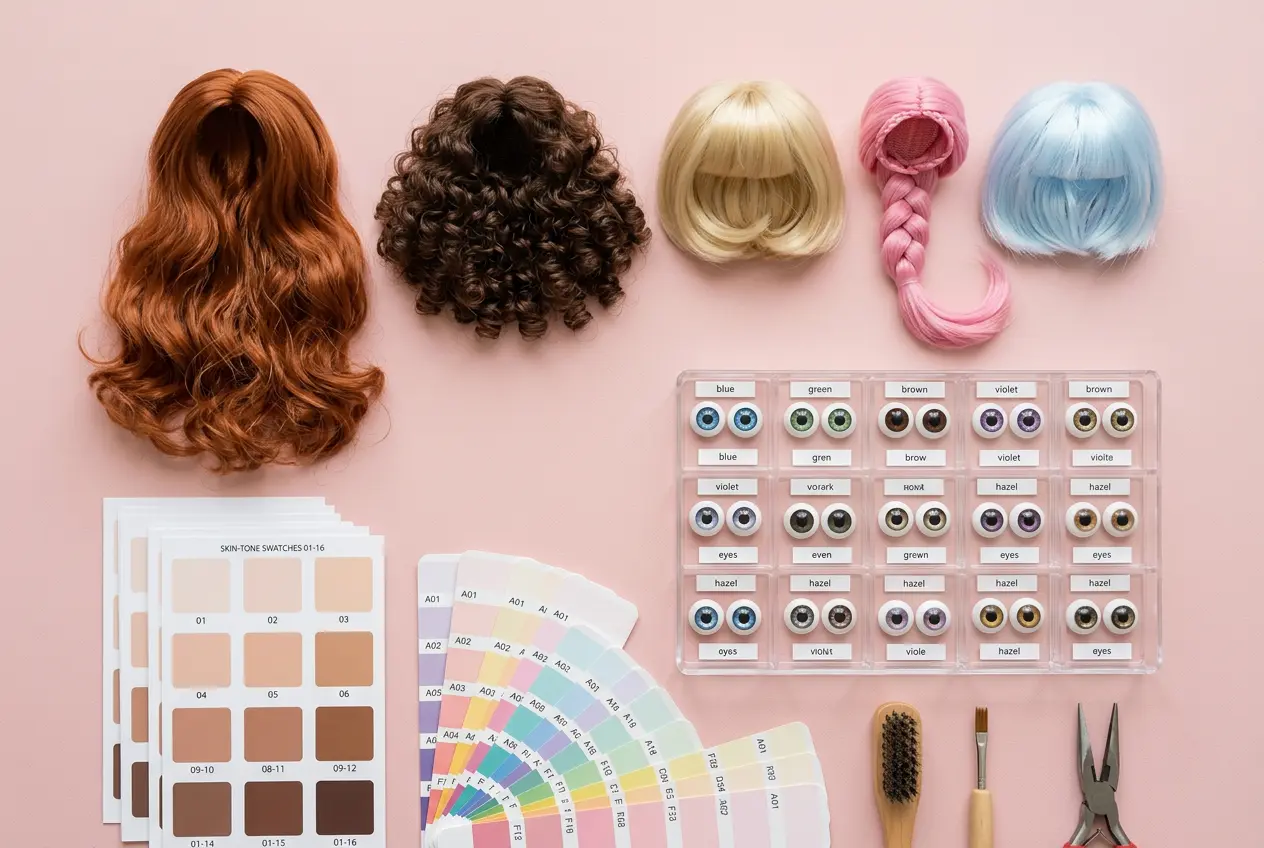
For hobbyists, sex dolls are a creative collecting pursuit built around customization. Buyers can choose face, skin tone, body type, eye color, and wig, making each doll one of a kind.
Craftsmanship is a big part of the draw. Premium makers like RealDoll, founded by artist Matt McMullen, built their name on lifelike detail. Owners then share photos and tips in dedicated online communities.
9
Building confidence and easing anxiety
Some buyers use a sex doll as a low-pressure way to build confidence and ease performance anxiety. There’s no fear of judgment and no pressure to perform — just space to feel more comfortable in your own skin.
Owners often describe it as safe practice rather than a replacement for dating. Used this way, a doll can be a stepping stone toward more relaxed human relationships.
10
Freedom from relationship pressure and judgment
Many people choose a sex doll for a judgment-free bond with none of the conflict or rejection that dating can bring. The 2022 study found owners were no more prone to aggression than non-owners — a direct challenge to the “lonely predator” stereotype.
The appeal is control and privacy: connection on your own terms, with no fear of being let down. For people worn out by dating stress, that simplicity is the whole point.
How much do sex dolls cost, and how do you choose one?
A sex doll typically costs $1,000–$2,000 for a TPE model and $4,000–$10,000+ for premium silicone. Size, customization, and smart features push the price up. With proper care, most dolls last 2–10 years, which spreads that cost over time.
| Tier | Typical price | What you get |
|---|---|---|
| Entry (torso / TPE) | $500–$1,000 | Smaller or torso-only, fewer options |
| Standard (full-body TPE) | $1,000–$2,000 | Full size, solid customization |
| Premium (silicone) | $4,000–$10,000+ | Top realism, fine detail, AI features |
Choosing your first doll comes down to four quick decisions, then a simple care habit:
- Pick your material. Choose TPE for softness and value, or silicone for realism and easy cleaning.
- Choose a size. Full-body dolls feel most lifelike; torso dolls are lighter, cheaper, and easier to store.
- Buy from a reputable seller. Ask for body-safe material certificates and clear photos of the actual product.
- Set your budget. Factor in shipping, customization, and a care kit from the start.
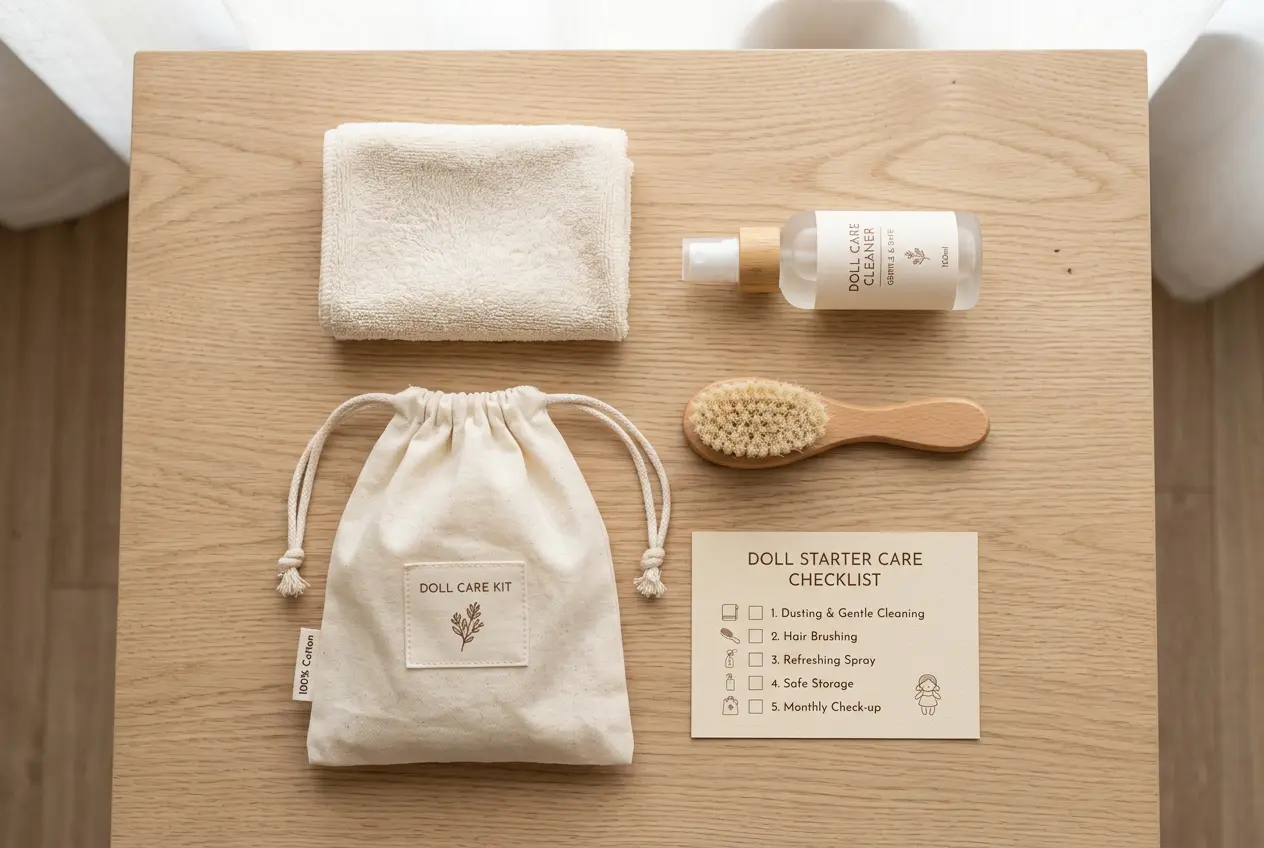
After that, care is easy: clean gently, dry thoroughly (especially TPE), and store the doll padded and out of direct sunlight.
At SweetieDoll, every doll ships with body-safe, certified materials, a starter care kit, and discreet delivery. Whether you want a soft TPE companion or a hyper-realistic silicone model, our team helps you match the right doll to your budget and needs.
Bottom line: decide on material, size, and a trusted seller first, then commit to a simple cleaning-and-storage routine.
Ready to find your companion?
So why do people buy a sex doll? For connection, comfort, creativity, and control — far more than sex alone. Whatever brings you here, a love doll is a personal choice, and there’s no shame in it.Explore SweetieDoll
❓ Frequently Asked Questions
For most owners, it depends on how often and why they use it. A quality TPE doll costs about $1,000–$2,000 and can last 2–10 years with proper care, which spreads the cost out. Buyers who value companionship, fantasy, or long-term use generally find them worthwhile.
All kinds — single people, couples, people with disabilities, widowers, collectors, and artists. A 2022 Nottingham Trent University study found owners were psychologically much like non-owners, with an average age of 38. The “lonely loner” stereotype simply doesn’t hold up.
It can ease loneliness for some people by providing reliable, judgment-free company. In one study, only 14% of owners viewed their doll as sex-only, and many valued the sense of companionship. That said, experts suggest it works best alongside human connection, not instead of it.
Most are made of TPE (softer, more flexible, cheaper) or platinum-cured silicone (firmer, more durable, easier to clean). TPE held about 50.6% of the market in 2025, while silicone is the premium, higher-realism choice.
With regular cleaning, thorough drying, and careful storage, a sex doll usually lasts 2–10 years. Silicone generally outlasts TPE because it’s non-porous and more resistant to heat and stains.
📚 References
- Owner psychology & motivations: Peer-reviewed study of 158 sex doll owners finding they are no more prone to aggression than non-owners, and that about one in three own dolls for non-sexual reasons. Harper, Lievesley & Wanless (2022), The Journal of Sex Research
- Research overview: A scholarly review of the psychology, sexology, and social debate around sex doll ownership, including the mix of motivations. Harper & Lievesley (2020), Current Psychiatry Reports (via NIH)
- Plain-language summary: An accessible write-up of the Nottingham Trent University findings on who owns dolls and why. PsyPost research summary
- Market size & materials: Industry data on market value, growth, and the TPE-versus-silicone share of the sex doll market. Grand View Research, Sex Dolls Market Report
- Open-access full text: The complete peer-reviewed paper on the characteristics of sex doll owners, free to read. Nottingham Trent University institutional repository