
A quality sex doll lasts 2 to 10 years, depending mostly on its material and how you care for it. That’s a wide range, and the gap between the low end and the high end comes down to a few small habits. At SweetieDoll, we’ve helped thousands of owners get the most out of their dolls, and the pattern is always the same. Good sex doll durability isn’t luck. It’s the right material plus a handful of care routines that take only minutes a day.
Table of Contents
This realistic durability guide shows you exactly how long your doll should last, what wears it out, and how to stretch every possible year out of it. Whether you’re a first-time buyer comparing materials or an owner trying to rescue a doll that’s started feeling sticky, you’ll find clear numbers and simple fixes here. Let’s dig in.
How Long Does a Sex Doll Last on Average?
The short answer is that most sex dolls last between 2 and 10 years. Where your doll lands depends heavily on its material.
TPE dolls usually last 2 to 5 years, while silicone dolls often reach 5 to 10 years or more. The material sets the ceiling, but your daily habits decide where you actually land inside that range.
Here’s a quick breakdown of average lifespan by material:
| Material | Average Lifespan | Relative Cost |
|---|---|---|
| TPE (thermoplastic elastomer) | 2–5 years | Lower |
| Silicone (medical-grade) | 5–10 years | Higher |
| General average (all dolls) | 2–10 years | Varies |
These numbers assume normal use and basic care. A doll that’s cleaned, dried, and stored well will hit the top of its range. A neglected one might not survive a single year. So think of the material as your starting hand, and care as how you play it.
What Makes a Sex Doll “Quality” in the First Place?
A quality sex doll combines three things: a durable material, a strong internal skeleton, and clean, even seams. Together they decide how long it lasts.
Not every doll is built to last, and the difference shows up in the first year. When you’re shopping, these are the four signs of a doll that will go the distance:
- Grade of material: Look for medical-grade silicone or high-grade TPE, not recycled or bargain blends. Cheap material tears and stains far sooner.
- A solid skeleton: A steel frame with tight, articulated joints holds poses and shape for years. Flimsy frames loosen fast.
- Clean seams: Even, smooth seams between body parts resist tearing. Thin or sloppy seams are almost always the first place a doll splits.
- A real warranty: Reputable makers stand behind their dolls, often with 30 days to 1 year of coverage on defects.
The key takeaway is that quality is built in before the doll ever ships. A well-made doll can last two or three times longer than a cheap one, even with the same care. That’s why paying a little more up front usually saves money down the road.
What Affects How Long Your Sex Doll Lasts?
Five factors affect how long your sex doll lasts: material, frequency of use, cleaning, storage, and handling.
Each factor either adds years or quietly takes them away. Here’s what each one does to your doll’s longevity:
- Material quality: Medical-grade silicone resists tears and heat far better than budget TPE. This one choice can roughly double the lifespan.
- Frequency of use: Daily heavy use stresses seams and joints faster than occasional use. More action means more wear on thin skin areas.
- Cleaning routine: Cleaning after every use blocks bacteria and staining. Skipping it can invite mold within 24 to 48 hours.
- Storage conditions: Storing at 59–77°F (15–25°C) keeps the material stable. Heat, cold, and damp all speed up aging.
- Handling and posing: Gentle handling protects the internal skeleton and delicate seams. Rough force tears TPE at the armpits and groin.
In summary, material sets your starting point, but cleaning and storage are the levers you control every single day. Master those two, and you’ve won most of the durability battle.
TPE vs. Silicone: Which Sex Doll Material Lasts Longer?
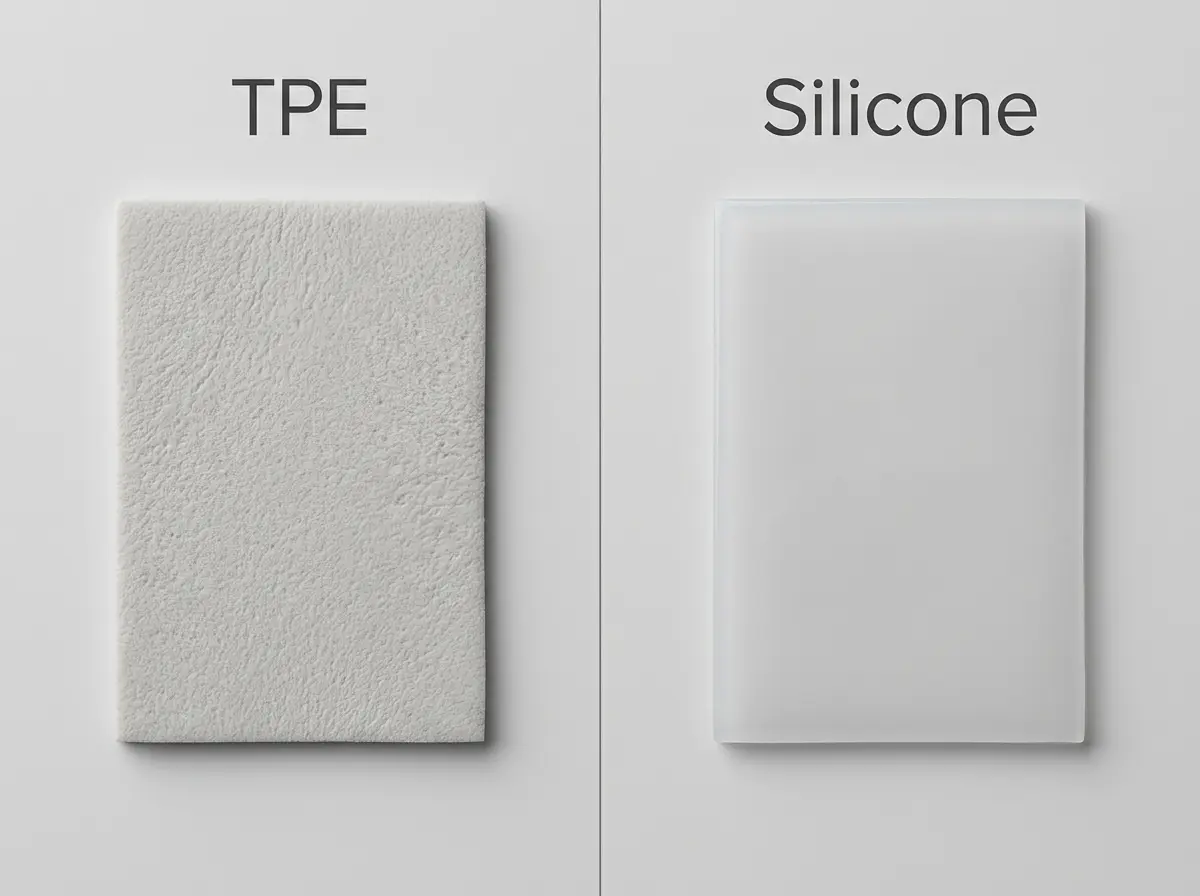
Silicone lasts longer than TPE — usually 5 to 10 years versus 2 to 5 years for TPE.
Both materials feel realistic, but they age very differently. A TPE (thermoplastic elastomer) is a soft, stretchy blend of plastic and rubber. It’s affordable and body-like, but it’s porous, meaning it soaks up moisture and stains more easily.
Silicone (medical-grade or platinum-cured) is a non-porous synthetic rubber. It costs more, holds fine detail beautifully, and shrugs off heat, water, and stains. That’s why it wins on raw lifespan.
Here’s how the two materials stack up on durability:
| Attribute | TPE | Silicone |
|---|---|---|
| Typical lifespan | 2–5 years | 5–10 years |
| Porosity | Porous (absorbs) | Non-porous (sealed) |
| Heat tolerance | Softens above 104°F (40°C) | Stable to 450°F+ (230°C) |
| Stain resistance | Lower | Higher |
| Maintenance load | Oiling + powdering | Powdering only |
| Feel | Softer, jigglier | Firmer, ultra-detailed |
| Price | Lower (about ⅓–½ of silicone) | Higher |
The key takeaway is simple. If you want maximum sex doll longevity and the easiest cleaning, silicone is the pick. If you want a soft, budget-friendly feel and don’t mind a little extra care, TPE is a great choice. Many SweetieDoll owners choose based on this exact trade-off between feel, price, and how long the doll lasts.
Does the Internal Skeleton Affect How Long a Sex Doll Lasts?
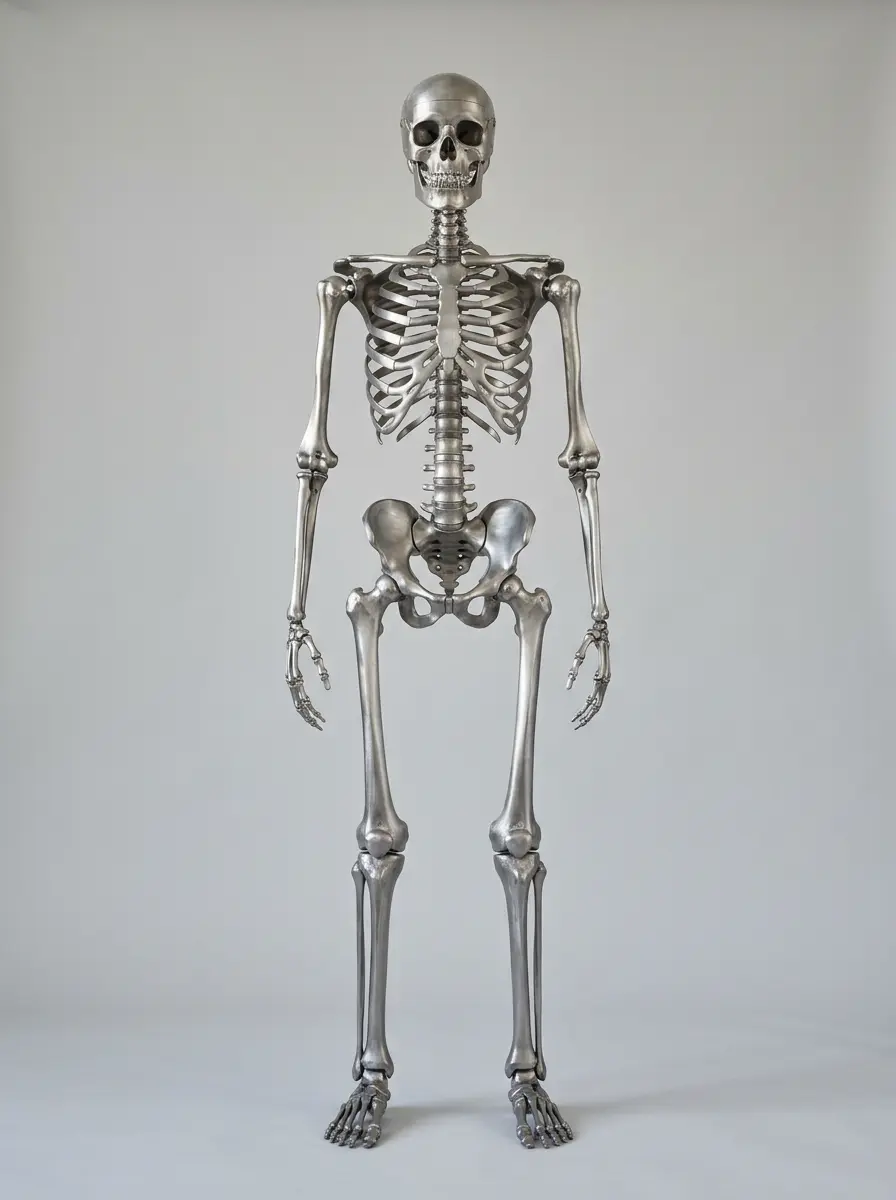
Yes. The internal skeleton holds your doll’s shape and poses, and a strong one adds years of durability underneath the skin.
A doll skeleton is the metal frame inside the body, usually made from steel or aluminum alloy with movable joints. It’s the part you never see, but it carries all the weight. A full-size doll often weighs 55 to 90 pounds (25 to 40 kg), and that entire load rests on the skeleton and its joints.
Cheap frames tend to loosen, squeak, or bend over time. Better ones, like a reinforced EVO skeleton, use stronger shoulder and hip joints that survive thousands of pose changes. The standing bolts in the feet and the neck bolt take the most stress, so they’re the first spots to protect.
Here’s how to keep the skeleton healthy:
- Don’t force a joint past its range. Over-bending is the number-one cause of internal breakage and loose limbs.
- Support the hips and back when lifting. Carrying the doll by one arm strains the shoulder joint.
- Keep bolts dry. Wrap the neck and foot bolts before bathing so water can’t reach the metal and cause rust.
Here’s what you need to know: the skin gets all the attention, but a quality skeleton is what lets your doll keep posing and holding shape for years. Treat the frame gently, and the whole doll lasts longer.
How Do You Clean a Sex Doll to Extend Its Lifespan?
Clean your sex doll after every use, and give it a full-body wash every 2 to 4 weeks. Regular cleaning is the single biggest thing you can do for its lifespan.
Why the urgency? Bacteria in a warm, damp area can double every 20 to 60 minutes. Left unclean, mold can appear within 24 to 48 hours. That’s how a $2,000 doll gets ruined in a single week.
Follow these steps after each use:
- Rinse the intimate areas with warm water and a mild antibacterial soap, mixed about 1 part soap to 5 parts water.
- Use a soft sponge or cloth on the body. Never scrub hard, since that damages the skin surface.
- Pat dry with a microfiber towel, then air-dry for 1 to 2 hours.
- Never use a hairdryer. Heat melts TPE and warps thin areas fast.
- Dust the body with cornstarch or renewal powder once it’s fully dry. This keeps the skin soft and non-sticky.
Of all these steps, drying matters the most. Trapped moisture is what breeds mold and bacteria deep inside the body, where you can’t reach it. So make sure every area is completely dry before you store the doll, even if that means waiting an extra hour.
For TPE dolls, massage in a little mineral oil or baby oil about once a month. Silicone dolls skip this step entirely, since oil can actually harm silicone. Also, always reach for a water-based lubricant during use, never oil-based products.
Think of cleaning like brushing your teeth — small, a little boring, and completely non-negotiable if you want things to last.
Bottom line: a 10-minute clean after every use, plus monthly powdering, is the routine that turns 3 years of life into 8.
How Should You Store a Sex Doll to Prevent Damage?
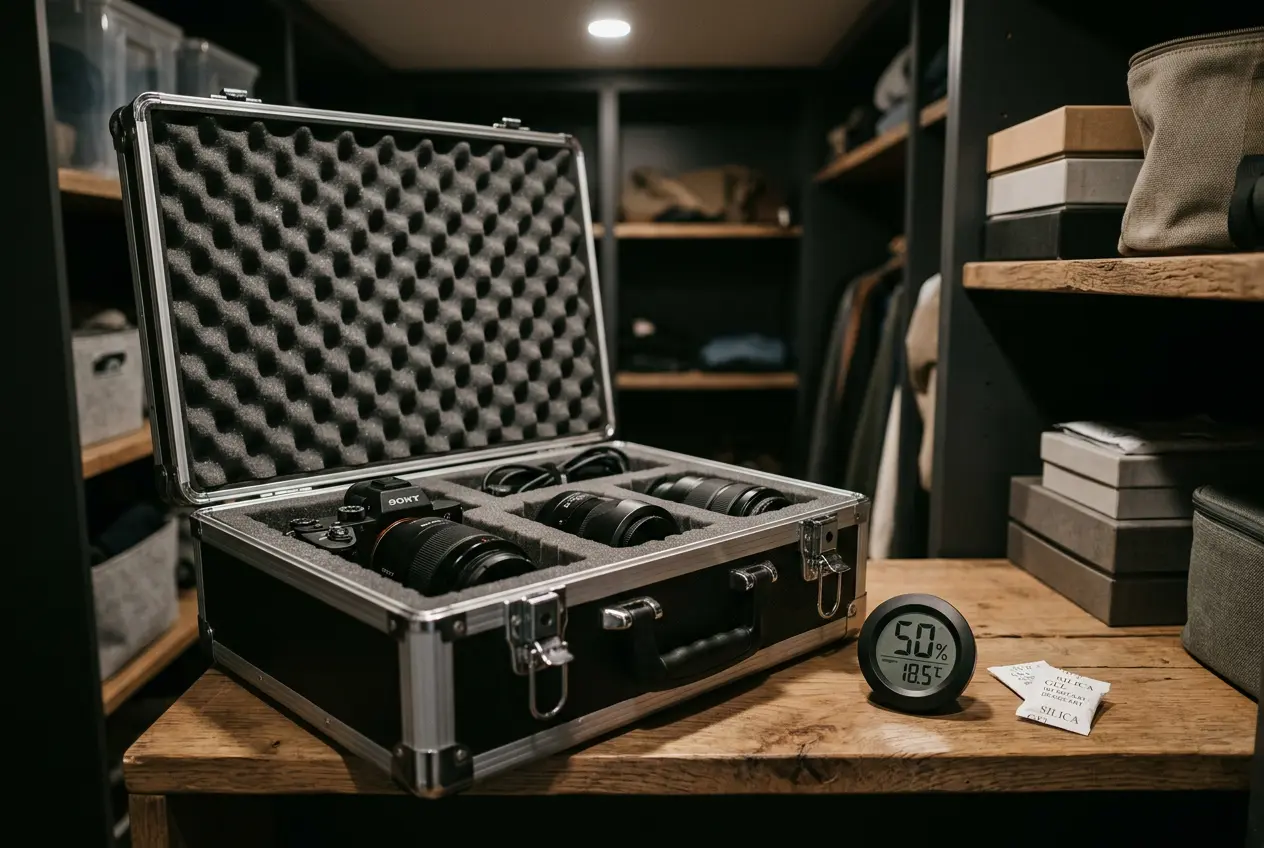
Store your sex doll at 59–77°F (15–25°C), in 40–60% humidity, and out of direct sunlight. Storage is where slow, invisible damage builds up over months.
TPE softens and sags above 104°F (40°C) and turns stiff and brittle below 50°F (10°C). Damp air above 60% humidity invites mold. And direct sunlight causes fading, yellowing, and cracking from UV rays.
Here are the ideal storage conditions:
| Condition | Ideal Range | Why It Matters |
|---|---|---|
| Temperature | 59–77°F / 15–25°C | Prevents softening and cracking |
| Humidity | 40–60% RH | Stops mold and mildew |
| Light | No direct sunlight | Prevents UV fading and yellowing |
| Position | Neutral, lying flat or hanging | Avoids permanent creases and tears |
Position matters more than most people think. Leaving arms up or legs spread for days puts constant stress on thin TPE at the armpits and groin. Return your doll to a relaxed, neutral pose, and use a padded storage bag or case. If you live somewhere humid, toss a few silica gel packets into the storage bag and check the room with a cheap hygrometer to keep humidity in the safe zone. To put it simply, cool, dry, dark, and relaxed is the formula for the longest possible sex doll lifespan.
What Are the Signs Your Sex Doll Needs Repair or Replacement?
Watch for five warning signs: tears at stress points, a sticky surface, deep stains, loose joints, or a musty smell.
Catching these early often means a cheap fix instead of a full replacement. Here’s what each sign is telling you:
- Small tears at armpits, groin, or neck: These are stress points. TPE repair glue can fix minor tears in about 24 hours of cure time.
- Sticky or tacky skin: The material has dried out. A cornstarch dusting or oil massage usually restores that soft feel.
- Stains that won’t wash out: Common on porous TPE from dark or dyed clothing. A stain-remover paste can lift lighter marks.
- Loose or creaky joints: The internal skeleton is wearing. It’s often repairable, but it signals real age.
- Musty or moldy odor: Moisture got trapped inside. If mold is deep, replacement is the safe choice for hygiene.
The most important thing to remember is that surface issues are fixable, but trapped mold is a deal-breaker. When hygiene is at risk, replace rather than repair.
How Can You Make Your Sex Doll Last Longer?
To make your sex doll last longer, combine four habits: gentle handling, regular cleaning, dry storage, and the right lubricant.
None of these are hard, and together they can add years to your doll’s life. Use this quick do-and-don’t checklist:
| ✅ Do This | ❌ Avoid This |
|---|---|
| Use water-based lubricant only | Oil- or silicone-based lube on silicone dolls |
| Clean after every use | Storing the doll while it’s still damp |
| Powder TPE about once a month | Blow-drying with hot air |
| Store at steady room temperature | Leaving it in a hot car or freezing garage |
| Support the neck and joints when moving it | Leaving limbs stretched out for days |
One note worth repeating: always use a water-based lubricant. Oil-based and silicone-based products can slowly break down doll material and shorten its life. In summary, small and consistent care beats occasional deep effort every single time.
Is a Quality Sex Doll Worth the Investment?
Yes — a quality sex doll that lasts 8 years costs roughly $250 per year, or about $0.70 a day.
When you do the math, durability changes the whole picture. Compare a premium doll to a cheap $600 one that fails in 2 years. That cheap doll costs $300 per year, and you’d replace it four times over the same period. The premium doll is actually cheaper per year and far less hassle.
Here’s the cost-per-year comparison:
| Doll Type | Upfront Cost | Lifespan | Cost Per Year |
|---|---|---|---|
| Budget TPE | $600 | 2 years | $300 |
| Mid-range TPE | $1,200 | 4 years | $300 |
| Quality silicone | $2,000 | 8 years | $250 |
The key takeaway is that durability, not the sticker price, decides real value. A doll you care for well pays you back in years of use and a lower cost over time. Choosing quality up front, then caring for it, is almost always the smarter long-term move.
❓ Frequently Asked Questions
With daily use, a TPE sex doll lasts about 2 to 3 years, and a silicone doll about 5 to 7 years. Cleaning after every use and storing it properly can push both toward the higher end of the range.
Yes. Silicone dolls last 5 to 10 years versus 2 to 5 years for TPE. Silicone is non-porous and handles heat, water, and stains far better, so it simply ages more slowly.
Clean the intimate areas after every single use. Give the whole body a full wash every 2 to 4 weeks, even if you haven’t used it, to prevent dust and bacteria from building up.
Yes. Minor tears in TPE can be fixed with special TPE repair glue, which cures in about 24 hours. Large tears, deep mold, or a broken skeleton usually mean it’s time to replace the doll.
Heat, moisture, and neglect ruin dolls fastest. Blow-drying, storing it damp, leaving it in direct sunlight, or skipping cleaning can cut a doll’s lifespan from years down to months.
📚 References
- TPE material structure: Explains how thermoplastic elastomers stretch and recover — the science behind a TPE doll’s soft feel and wear over time. Wikipedia — Thermoplastic Elastomer
- TPE heat behavior and biocompatibility: Engineering guide covering TPE softening temperatures and sterilization limits, which underpin the heat-care warnings in this guide. Xometry — Thermoplastic Elastomers (TPE): Meaning, Types, and Uses
- Silicone mechanical properties: Peer-reviewed characterization of platinum-cured silicone’s mechanical behavior, supporting claims about silicone’s durability and lifelike feel. NCBI / PMC — Mechanical and Dielectric Properties of Silicone Rubber
- Silicone temperature range and hygiene: Industry reference confirming silicone’s wide temperature tolerance, resistance to bacterial growth, and stain resistance — its core durability advantages. MDDI — Silicone Rubber for Medical Device Applications
- TPE temperature-dependent performance: Academic database entry on thermoplastic elastomer composition and how mechanical properties change with temperature. ScienceDirect — Thermoplastic Elastomer Overview