
A $25 set of dark lace can leave a permanent purple shadow on a $500 doll in less than a day. That is the hard truth about TPE sex doll care: staining and tearing are both cheap to prevent and nearly impossible to reverse.
Table of Contents
TPE (thermoplastic elastomer) is a soft, porous material, which is exactly why dye migration happens so fast. The skin absorbs color straight out of clothing, and it thins at the joints under repeated stress. Once dye soaks deep into that porous surface, or a seam splits at the elbow, no cleaning routine will fully undo it. At SweetieDoll, we have answered enough owner questions to know that most damage traces back to a few avoidable habits, not bad luck.
Here is the short answer. To prevent TPE staining and tearing, dress your doll only in washed, light-colored fabric, clean her with lukewarm water and mild soap, air dry her fully, dust her with cornstarch renewal powder, and always return her limbs to a neutral position after use. The rest of this guide explains each step, shows which fabrics are safe, and covers the storage rules that stop problems before they start.
Why TPE Stains and Tears in the First Place
TPE stains because it is porous and tears because stress concentrates at the joints. The same softness that gives the material its lifelike feel also lets dye seep in and lets thin areas split. Heat makes both problems worse. Above 86°F (30°C), the material softens and dye migration speeds up roughly two to three times, which is why a doll left dressed in a hot closet stains far faster than one stored cool.
Understanding the cause is what makes prevention simple. You are not fighting random wear. You are managing two specific weaknesses: an open surface that drinks color, and stress points that fatigue over time.
How dye migration permanently stains porous TPE
Dye migration is the process where color molecules move out of a fabric and settle into the doll’s skin. Because TPE is porous, those molecules do not just sit on the surface. They travel below it, where soap and water cannot reach. Dark and heavily saturated dyes are the worst offenders, especially the deep blues in denim and the black pigments in cheap lace. Once the color sets in the lower layers, it is usually there for good.
Why joints tear first: armpits, groin, elbows, and knees
Tears almost never come from normal handling. They come from stress that never gets released. The armpits, groin, elbows, and knees carry the most strain because the internal skeleton bends there and the TPE stretches thin over the frame. One owner on a collector forum described an elbow that split after roughly six months of being stored in a sharp 90-degree bend. The material had simply been held taut for too long. Leave a joint stretched day after day, and a small split is only a matter of time.
The 5-Step Routine to Keep Staining and Tearing Away
Follow these five steps to prevent most TPE staining and tearing before it starts:
- 1. Dress in washed, light-colored fabric. Pre-wash every new outfit two to three times and favor whites and pastels, since colorfast, light fabric almost never transfers dye.
- 2. Wash with lukewarm water and mild soap. Use antibacterial soap and water that feels warm, never hot, because heat softens and weakens the skin.
- 3. Pat gently, then air dry fully. Blot with a soft towel and let her air dry completely. Never use a hair dryer or any heat source to speed it up.
- 4. Dust with cornstarch renewal powder. Once she is fully dry, brush on a cornstarch-based renewal powder to remove surface tackiness and cut the friction that leads to tears.
- 5. Reset limbs to a neutral position. After every use, return the arms and legs to a relaxed, straight resting pose so no joint holds tension overnight.
None of this takes more than a couple of minutes, and it is the single biggest thing you can do to protect your investment. Doing these five things consistently stops the vast majority of dye migration and stress tears.
💡 Tip: Keep a small kit within reach so the routine stays easy. A soap, a cornstarch powder, and a soft brush cover most of it. You can find these in our renewal powder and TPE care kit, so you are never tempted to skip a step.
Dress smart: washed, light-colored, colorfast fabric only
The fastest way to stain a doll is to put a brand-new, unwashed dark outfit on her. Fresh fabric carries the most loose dye, and the first wear is when transfer is heaviest. Wash new clothes first, choose colorfast pieces, and lean toward light colors. A white cotton tee that has been washed three times will essentially never leave a mark, while an unwashed black lace piece can stain in hours.
Wash, air dry, and powder the right way
The most common mistake we see is powdering while the skin is still slightly damp. That cakes the powder and traps moisture, which can lead to a sticky film or worse. Let her dry all the way first. Then apply a thin, even layer of renewal powder with a makeup brush. Done in this order, the powder leaves the skin smooth and dry rather than gummy.
Stain-Proofing Your TPE Doll: Safe Fabrics and a Risk Chart
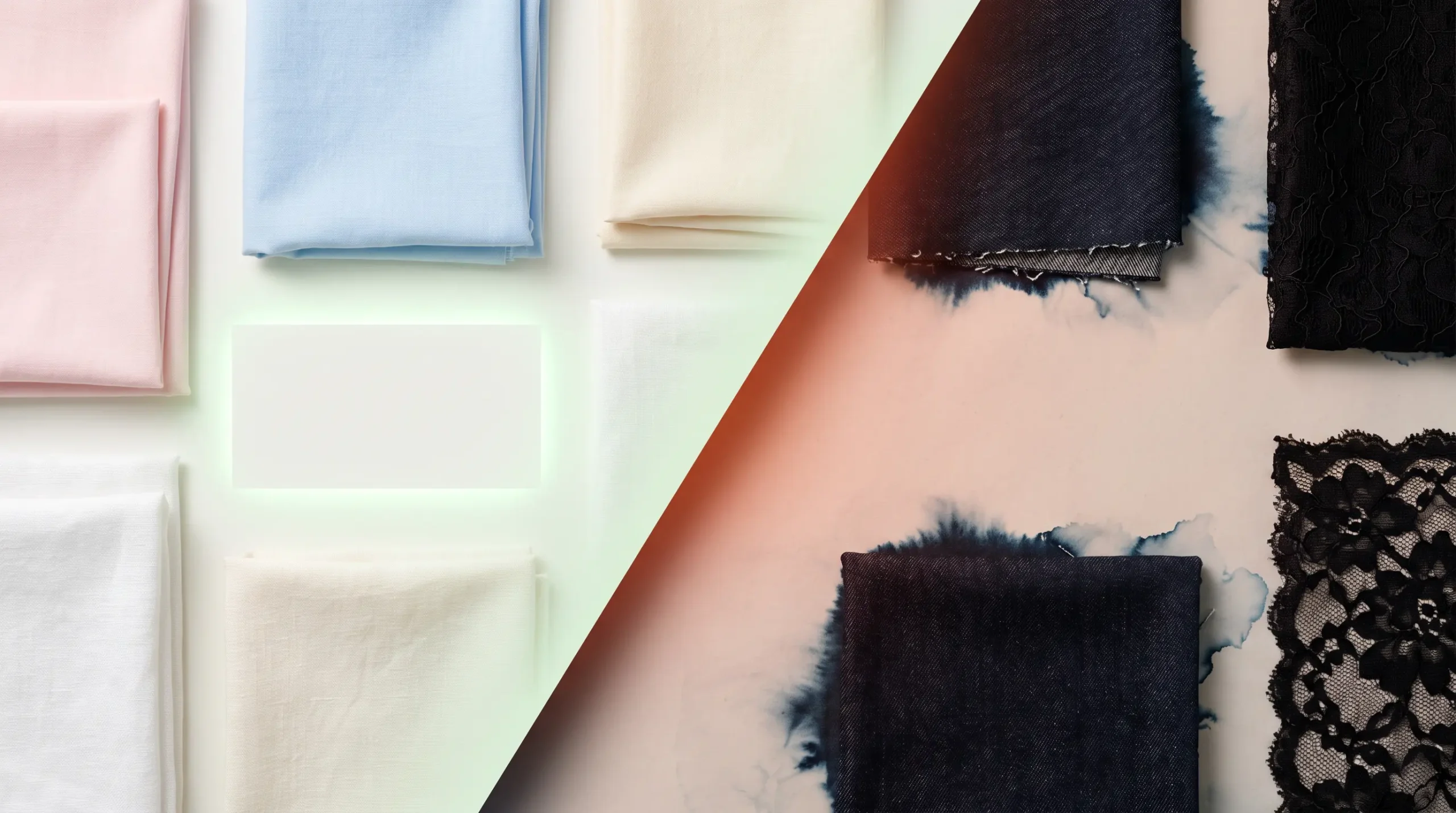
The safest fabrics are washed, light-colored, and colorfast, while raw dark denim and cheap black lace are the highest-risk items you can put on a doll. Because TPE is porous, dye migration from a risky fabric can leave a permanent mark within about 24 hours of contact. The chart below sorts common clothing by how likely it is to stain.
| Risk Level | Fabric / Item | Why |
|---|---|---|
| Safe | Washed white or pastel cotton | Little loose dye, colorfast after washing |
| Safe | Light-colored, pre-washed knits | Low pigment, minimal transfer |
| Caution | Bright reds, colored synthetics | Saturated dye; wash first and watch for transfer |
| High Risk | Raw or dark denim | Heavy indigo dye migrates into porous skin |
| High Risk | Cheap black or red lace | Loose pigment can stain permanently in ~24 hours |
The safe-vs-risky fabric chart
Use the chart as a simple rule of thumb: the darker and cheaper the fabric, the higher the risk. When you do want a darker look, add a barrier. A pair of light, washed shorts or a thin nude liner under a risky garment keeps the dye off the skin. It is a small step, but it is the difference between enjoying an outfit and living with a shadow you cannot remove.
Summer heat and dye migration: hot-weather rules
Heat is a dye accelerator, so summer needs extra care. Above 86°F (30°C), color transfers noticeably faster and the skin is softer and more vulnerable. During hot weather, store your doll undressed rather than in an outfit, keep her out of direct sun, and avoid leaving her in a warm car or attic. The cooler she stays, the slower any dye migration happens.
Tear-Proofing With Neutral Poses, Stress Points, and Oil Baths
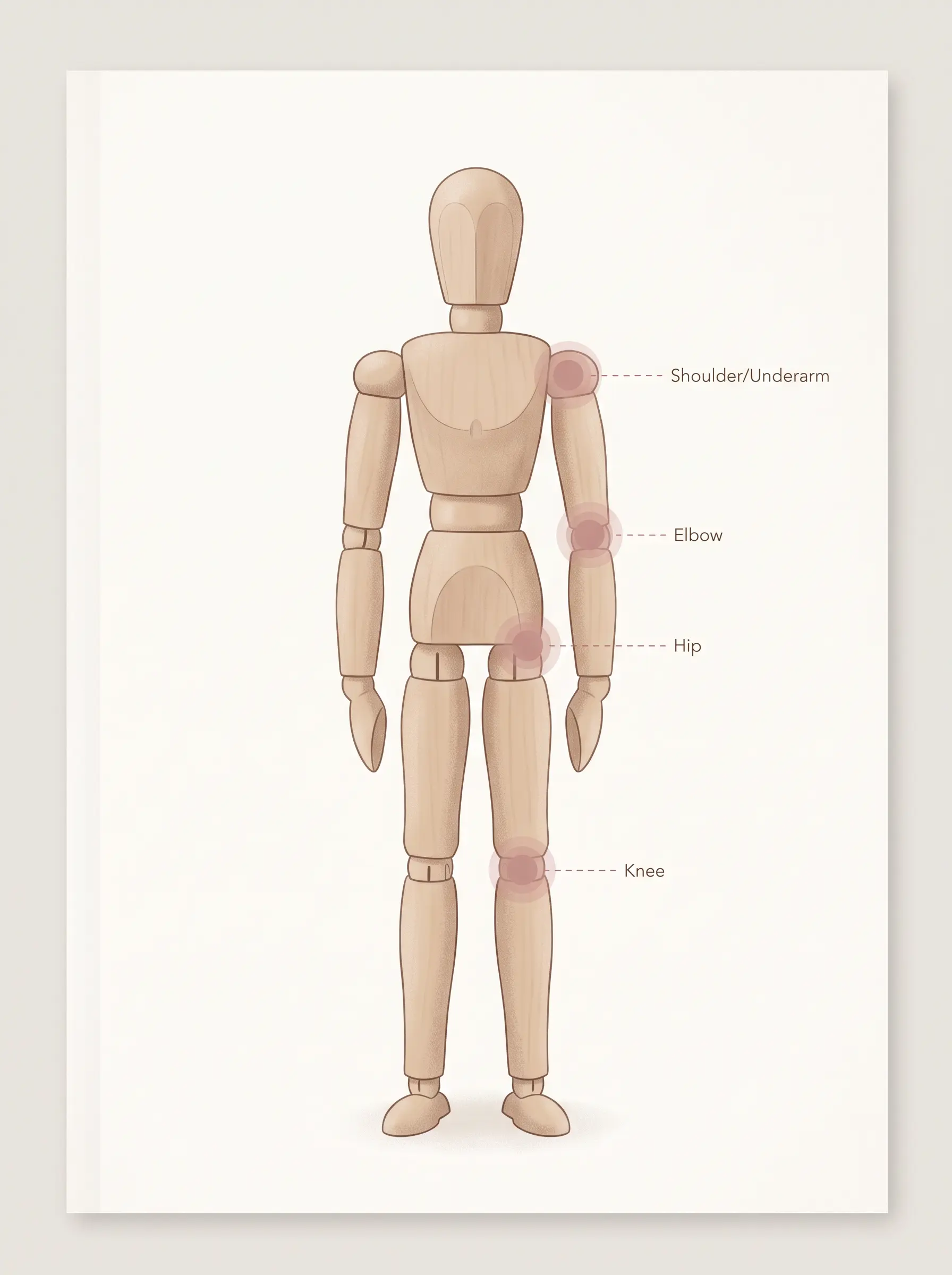
Prevent tears by returning every joint to a neutral resting position and keeping the material supple with a scheduled oil bath. Tears start at stress points, so the goal is simple: never leave the skin stretched, and never let it dry out. A neutral resting position takes the load off the stress points where tearing begins, and a light oil bath restores the softness that keeps thin areas from cracking.
Reset to a neutral position after every use
The high-stress zones are the armpits, groin, elbows, and knees. After each use, straighten the arms and legs and relax the hips so none of these areas holds tension. Avoid parking your doll in extreme poses for long stretches, and never force a joint past where it moves easily. Think of it the way you would treat a stretched rubber band: leave it pulled tight for months and it loses its strength. Reset it, and it lasts.
The oil-bath schedule that prevents dry cracking
A light mineral oil bath every two to three months keeps TPE soft and tear-resistant. Apply a thin coat of mineral oil, let it absorb for four to six hours, then powder the skin as usual. Do not overdo it. More than about four oil baths a year can leave the surface greasy and attract dust. For the highest-stress spots, a tiny dab of petroleum jelly worked in occasionally adds extra flexibility. One honest limit: an oil bath revives skin that is merely dry, but it cannot rescue TPE that has already gone brittle from years of heat exposure.
💡 Keep a repair option on hand: If you do spot a small split, sealing it early stops it from spreading. Our guide on how to repair a torn TPE doll walks through using TPE glue safely, and the same repair kit lives in our care collection.
Smart Storage That Prevents Both Problems
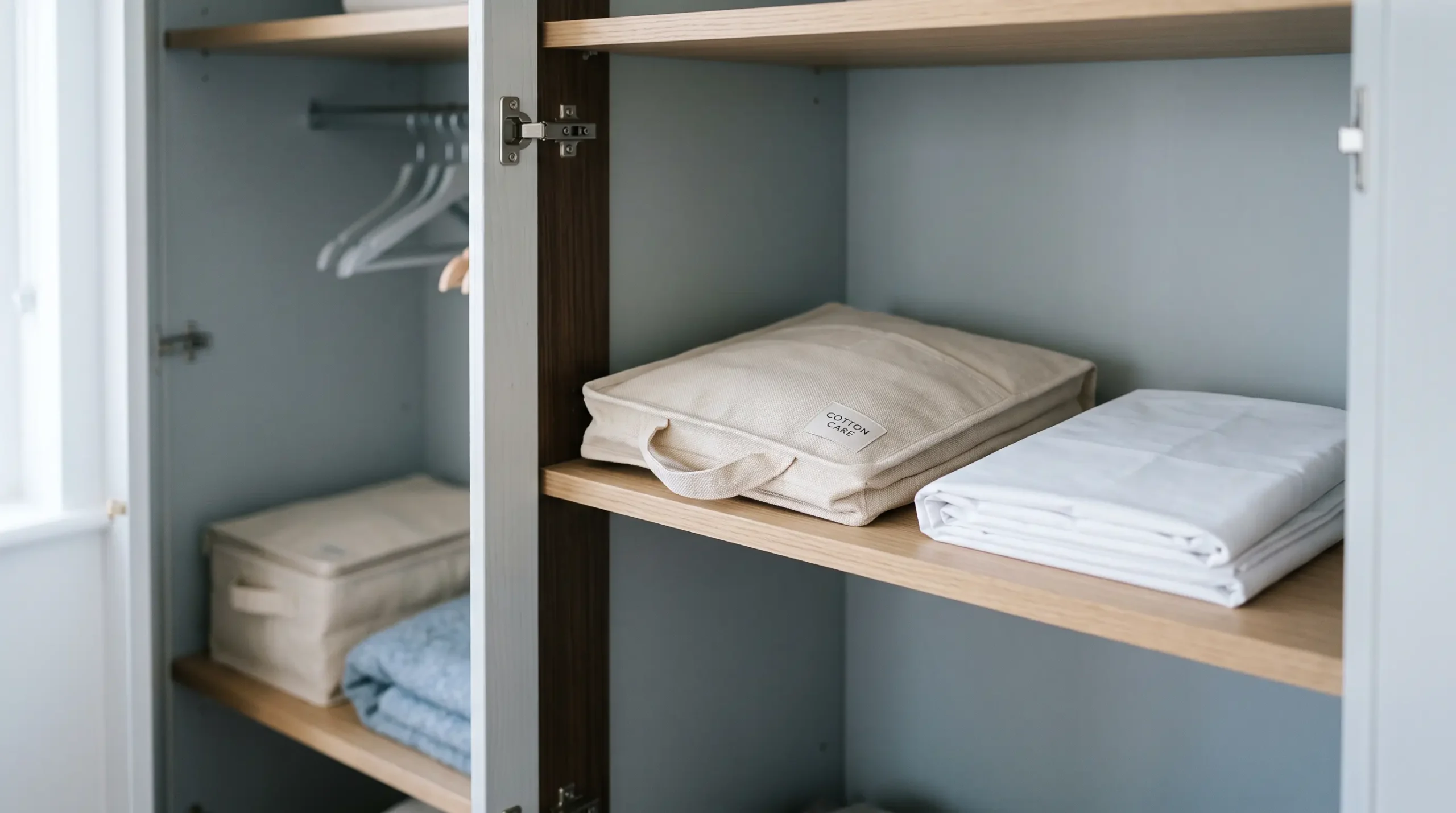
Store your doll undressed on a clean, light-colored sheet in a cool, dry place away from sunlight. Storage is where most permanent damage actually happens. Industry repair services report that a majority of doll damage, more than half, traces back to how a doll is stored rather than how it is used. Get storage right and you prevent staining and tearing at the same time.
Position and surface: lay her flat on a light sheet
The safest storage position is lying flat in a relaxed, neutral pose on a light-colored cotton sheet. Flat storage keeps weight off the joints, and a light sheet removes the last hidden source of dye transfer, since even bedding can stain a doll pressed against it for weeks. If you use a hanging kit, make sure it supports the body evenly so no single joint carries the full weight.
Temperature, sunlight, and breathable storage
Keep storage cool, shaded, and breathable. Avoid direct sunlight, which fades and degrades the skin, and keep the space below 86°F (30°C) so heat does not soften the material. Skip sealed plastic bags that trap moisture. A breathable storage bag or a loosely covered spot in a closet lets the skin air out while staying clean and dust-free.
What to Do If Staining or Tearing Already Happened
If a stain or small tear has already appeared, do not panic. Both are often treatable, though deep dye may not lift completely and results are never guaranteed. The key is acting early and using the right method for the damage. Below is a quick overview, with full step-by-step help linked for each.
Removing fresh stains, and when they are permanent
Fresh, surface-level stains have the best odds of coming out. A dedicated stain remover cream applied to the mark, covered, and left for about 24 hours can fade many stains, and the treatment can be repeated for stubborn spots. Deeper dye that has already migrated below the surface may be permanent. For the full method, including how to test a small area first, see our TPE stain remover cream guide. Be honest with yourself about the odds: the deeper and older the stain, the less likely it fully clears.
Repairing small tears before they spread
Small tears should be sealed as soon as you notice them, because a split under tension only grows. A drop of TPE glue bonds the edges, and the repair needs at least 24 hours to cure before the area is used again. Clean and dry the spot first, then apply sparingly. If tears keep returning in the same high-stress zones, it may be a sign the material is aging, and upgrading to a lower-porosity silicone or premium TPE doll can save you the ongoing hassle.
Give Your Doll the Care She Deserves
Prevention beats repair every time. Stock the essentials that keep staining and tearing away, or explore a more stain-resistant upgrade.Browse Our TPE Sex Doll Collection →
Frequently Asked Questions
Fresh surface stains often lift, but dye that has migrated deep into the porous TPE may be permanent. A stain remover cream can fade many marks over about 24 hours. See our TPE stain remover cream guide to try it safely on a small test area first.
A light mineral oil bath every two to three months keeps the material supple and tear-resistant, and no more than about four times a year. Let the oil absorb for four to six hours, then powder the skin so the surface stays smooth rather than greasy.
Yes. Use a cornstarch-based renewal powder on fully dry skin, applied with a makeup brush. It removes surface tackiness and reduces the friction that leads to tears. Just make sure the skin is completely dry first, or the powder will cake.
No. Alcohol and solvents break down TPE and dry out the skin. Clean with lukewarm water and a mild antibacterial soap instead, then pat dry and air dry fully before powdering.
📚 References
- Thermoplastic Elastomer Properties and Thermal Sensitivity: Overview of TPE structure, heat limits, and solvent degradation, which explains why hot water and alcohol harm the material. Xometry
- TPE Heat and Solvent Behavior: Industry FAQ confirming that thermoplastics soften with heat and dissolve in certain solvents, supporting the lukewarm-water and no-alcohol rules. Avient
- Types and Safety of Thermoplastic Elastomers: Reference on TPE material safety and temperature limits for context on safe handling and storage. Xometry
⚠️ A note on results: The care methods here are based on TPE material behavior and hands-on owner experience. Every doll and every stain is different, so always spot-test any product on a hidden area first. Deep or old stains and severe tears may not be fully fixable.