
If you’re about to spend a few thousand dollars on a doll, you want one honest answer first: are premium silicone dolls actually worth it, or are you paying for a name? The short answer is that a premium silicone doll is worth the investment when you value long-term durability, hygiene, and realism, and you’re willing to maintain it. A well-cared-for silicone doll lasts 5 to 10 years, versus 2 to 5 years for a comparable TPE (thermoplastic elastomer) doll, which usually lowers its real cost per year despite the higher upfront price of $2,000 to $10,000+.
Table of Contents
We’ve helped thousands of customers at SweetieDoll choose between platinum-cured silicone and TPE, and we’ve seen the same mistakes cost people money: buying the wrong material for how they’ll actually use it, or skipping the care steps that protect the surface. This guide fixes both. You’ll get the real price tiers, a side-by-side material comparison, lifespan numbers, and a simple care routine, so you can decide in a few minutes whether silicone is right for you.
What Makes a Silicone Doll “Premium”? (Platinum-Cured Silicone Explained)
A premium silicone doll is defined by its skin: high-grade, platinum-cured silicone that is non-porous, hypoallergenic, and usually tested at Shore A 15 to 20 hardness. That combination is what separates a genuine premium build from a budget doll wearing the “silicone” label. Because platinum-cured silicone is non-porous, its hygienic surface doesn’t let bacteria or moisture soak in, which is the single biggest reason people pay more for it.
Platinum-Cured vs. Standard Silicone
Platinum-cured silicone (also called addition-cure silicone) sets through a reaction that leaves no leftover byproducts, so the finished skin resists tears and compression marks better than older tin-cured silicone. It also tolerates high-temperature sterilization and medical-grade disinfectants, holding up to roughly 392°F (200°C) without breaking down. In plain terms, you can clean it thoroughly and it stays intact.
Why Shore A Hardness Shapes the Feel
Shore A hardness measures how firm the silicone feels. Medical-grade platinum silicone typically lands around 15 to 20 on the Shore A scale, which gives a body that feels realistically firm rather than squishy. Here’s an honest note from handling these in person: the first time you lift a premium silicone doll, it feels denser and firmer than most people expect. That firmness is what lets the material hold sharp, lifelike detail in the face and skin texture.
On the safety side, reputable premium silicone is tested to standards like ISO 10993-5 and ISO 10993-10 (cytotoxicity and skin sensitization), and U.S. buyers should also look for USP Class VI. Always buy from a seller that publishes its material certifications, which is exactly why we list ours on every premium silicone doll collection page.
Silicone vs. TPE: Which Doll Material Is Better?
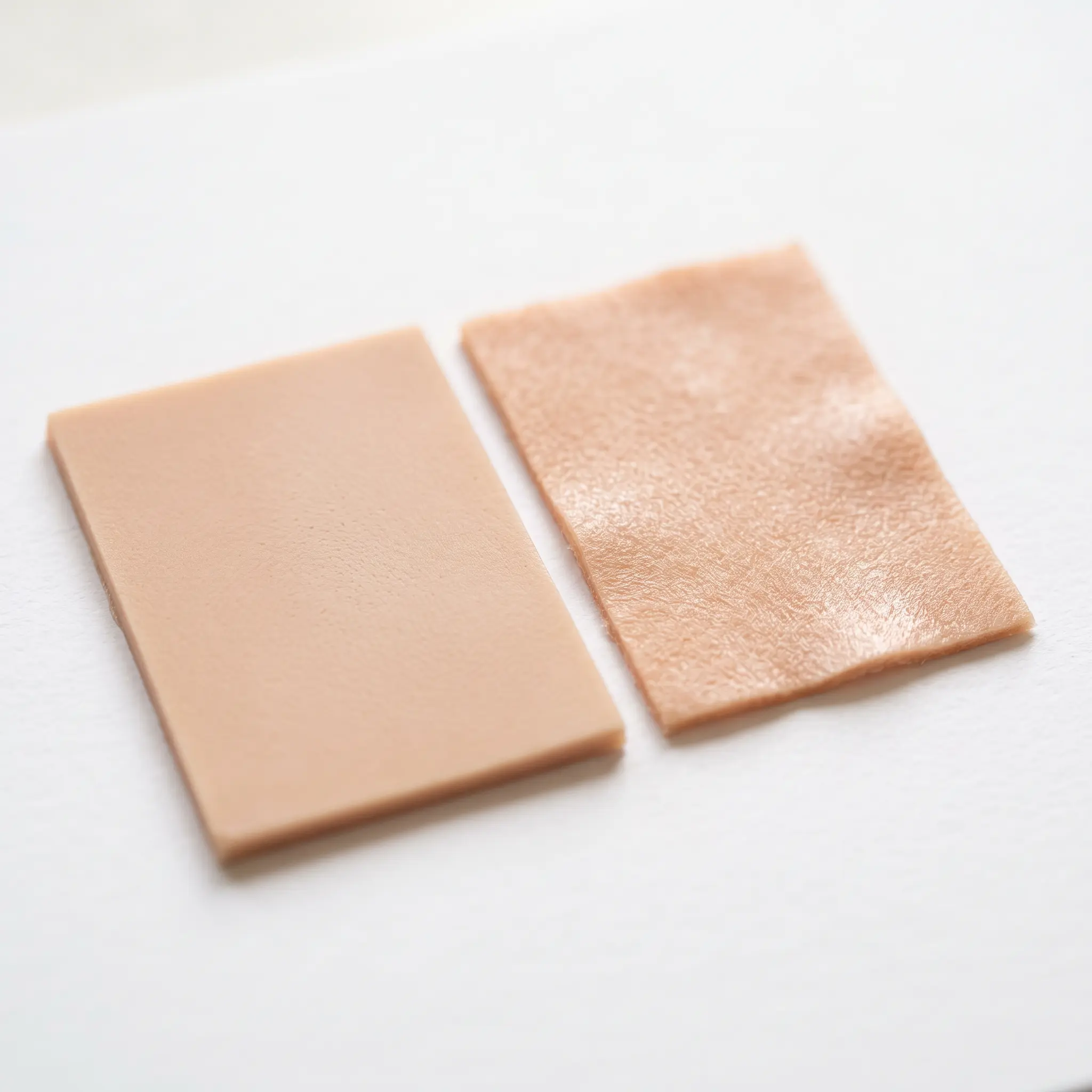
Silicone wins on hygiene, durability, and heat resistance; TPE wins on softness and upfront price. Neither material is the “correct” choice for everyone. The right pick depends on how much you value realism and longevity versus a lower entry cost. Here’s how the two compare across the six factors that matter most.
| Factor | Platinum Silicone | TPE |
|---|---|---|
| Surface & hygiene | Non-porous, easy to sanitize | Porous, needs more thorough drying |
| Feel (Shore A) | Realistically firm (~15–20) | Softer, more “give” |
| Durability | 5–10 years; resists heat & tearing | 2–5 years; can sweat oil, yellow in UV |
| Detail & realism | Holds sharp facial detail | Good, but softer definition |
| Upfront price | $2,000–$10,000+ | $1,000–$2,500 |
| Best for | Long-term use, collectors, realism | Budget buyers, first-timers testing the waters |
Who Should Choose Which
The dividing line is simple. If hygiene, sharp realism, and a body that lasts a decade matter most to you, silicone is the stronger investment. If your budget is tight or you’re buying your first doll and want a softer feel, TPE is a forgiving starting point. One more practical difference: a silicone doll runs about 10 to 15% heavier than the same size in TPE, so factor that into handling and storage. For a deeper breakdown, see our silicone vs TPE material guide.
Not sure yet? You can compare premium silicone models side by side by size, firmness, and price before committing.
How Long Do Premium Silicone Dolls Last?
With proper care, a premium silicone doll lasts 5 to 10 years, often two to three times longer than a comparable TPE doll, which typically lasts 2 to 5 years. That longevity is the foundation of the whole “is it worth it” question, because a doll that lasts a decade spreads its cost across far more time.
What Shortens a Doll’s Lifespan
Four things wear a doll down fastest: direct sunlight, rough friction, poor cleaning, and bad storage. Silicone has a real edge here. It doesn’t sweat oil the way TPE can, and it resists the UV yellowing and hardening that makes budget TPE bodies brittle over time. The internal steel skeleton also matters, since a quality articulated frame keeps its poseability for years rather than loosening early.
Silicone vs. TPE Durability
Put side by side, a silicone doll absorbs daily handling and repeated cleaning with less surface change than TPE. TPE stays softer and cheaper, but it demands more attention to avoid tears, oil bleeding, and discoloration. If you want a body that still looks and feels right in year six, silicone is built for it.
Why Are Premium Silicone Dolls So Expensive? (And Are They Worth It?)

Premium silicone dolls cost $2,000 to $10,000+ because of medical-grade material, hand-finishing, and articulated steel skeletons, but spread over a 5 to 10 year lifespan, the cost per year often undercuts cheaper TPE dolls that need replacing sooner. Worrying about whether that price is worth it is completely normal. It’s a real investment, so it deserves a clear-eyed look at the math.
Price Tiers: Entry, Mid, and Premium
Prices scale with size, craftsmanship, and how much you customize. Here’s the honest range:
| Tier | Typical price (USD) | What you get |
|---|---|---|
| Entry silicone | $2,000–$3,500 | Standard sizes, quality platinum silicone, limited customization |
| Mid-range | $3,500–$6,000 | Better sculpting, more face/body options, upgraded skeleton |
| Premium / bespoke | $6,000–$10,000+ | Hyper-realistic detail, full customization, top-tier finishing |
The Real Cost Per Year
This is where silicone earns its price. Say you buy a $3,000 silicone doll and it lasts 8 years with good care. That’s about $375 per year. A $1,500 TPE doll that needs replacing after 3 years works out to roughly $500 per year. The cheaper doll can actually cost more over time. When you frame it as cost-per-use rather than sticker price, the durability of a premium silicone investment is what makes it pay off. If timing matters, seasonal sales around Black Friday and Valentine’s Day are the usual windows for the best pricing.
How Do You Clean and Care for a Silicone Doll?
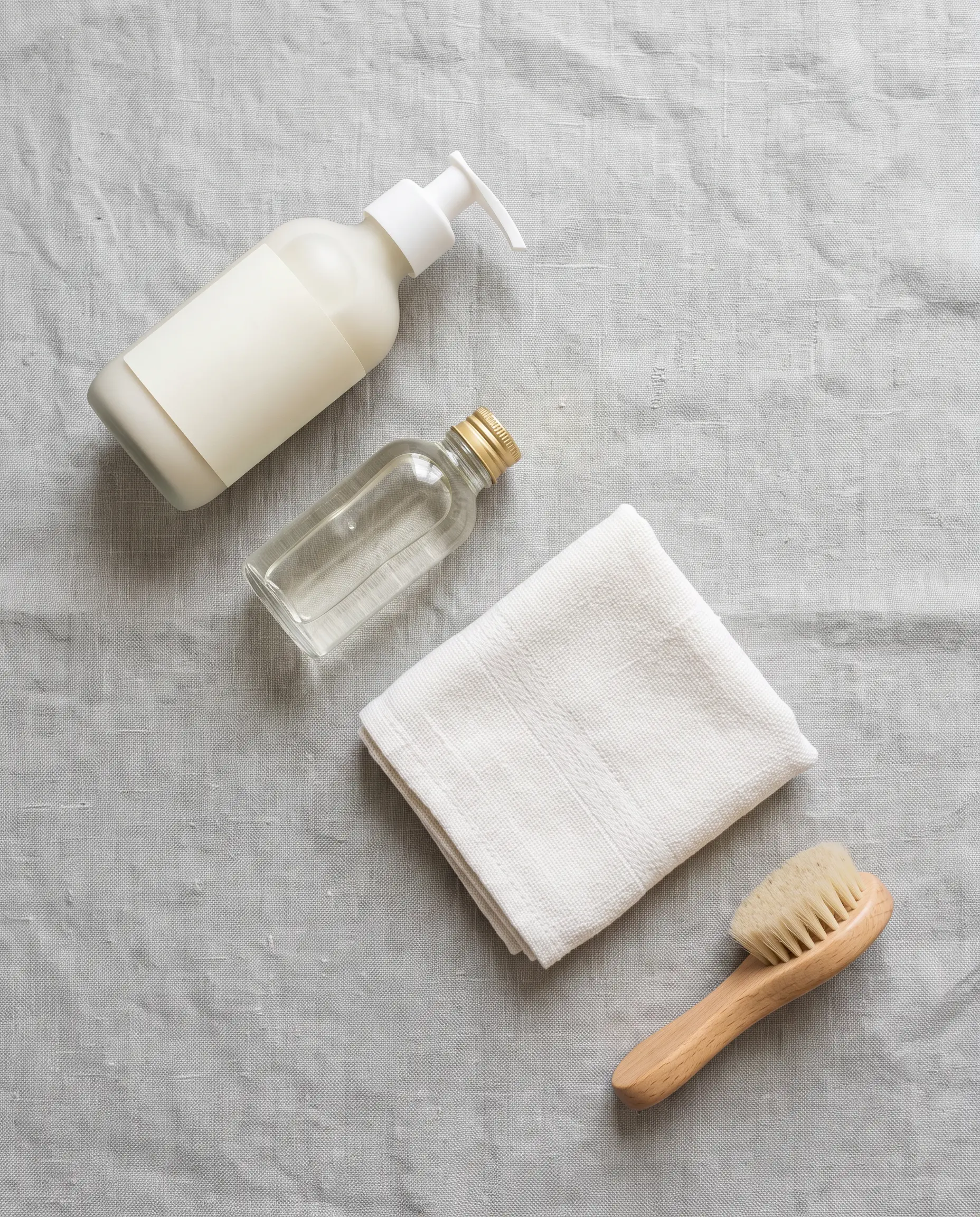
Caring for a silicone doll takes about 15 to 25 minutes per cleaning and five simple steps: wash, dry, lubricate correctly, store properly, and prevent dye transfer. That’s noticeably faster than TPE, which usually needs 30 to 40 minutes because its porous surface takes longer to dry safely.
The 5-Step Care Routine
- Wash gently: Use warm water and a mild, unscented soap on the skin surface after each use.
- Dry completely: Pat dry with a soft towel and let it air-dry fully before storage to prevent mildew.
- Use water-based lubricant only: Silicone-based lubricant shares the same polymer structure as the doll, so it migrates into the surface and causes permanent damage over time.
- Store cool and dark: Keep the doll out of direct sunlight in a cool spot to avoid heat and UV wear.
- Prevent dye transfer: Wash new or dark clothing before dressing the doll, since untreated dyes can stain light silicone.
Mistakes That Damage Silicone
The most common and costly mistake we see is using the wrong lubricant. Because silicone-based lube and the doll’s skin are both built on the same PDMS polymer chains, the lubricant slowly works its way into the surface, leaving it permanently tacky, rough, and pitted. Stick to water-based lube and you avoid the problem entirely. The second mistake is dressing a doll in unwashed dark clothing. We learned this one the hard way when a customer’s brand-new black outfit left a shadow stain that took real effort to lift. Wash first, dress second. Avoid sun exposure and you’ve covered the three big ones.
Pro tip: A proper cleaning and storage kit protects your investment from day one. Pair your doll with the silicone doll care essentials to keep the surface in top shape.
Who Should (and Shouldn’t) Invest in a Premium Silicone Doll?
Invest in premium silicone if you value long-term durability, hygiene, and realism and you’ll maintain it; consider TPE or wait if your budget is tight or you’re only testing the waters. Matching the doll to how you’ll actually use it is what separates a smart purchase from an expensive regret.
The First-Time Buyer’s Checklist
- Confirm the material: Ask specifically for platinum-cured silicone and request the certifications.
- Plan for the weight: A full-size silicone doll can weigh 75 to 84 lb (34 to 38 kg), so think through moving and storage before it arrives.
- Budget for care: Factor in a care kit and a dedicated storage spot, not just the doll itself.
- Check discreet shipping: Confirm the seller ships in plain, unmarked packaging.
Signs of a Trustworthy Seller
A seller worth your money publishes its material certifications, offers a clear warranty, provides a way to verify authenticity, and protects your privacy with discreet delivery. If a listing hides its material details or its price looks too good for “silicone,” treat that as a warning sign. When you’re ready, browse our full-body platinum silicone models to see certified options in every tier.
A quick note on safety claims: material safety information here reflects recognized standards like ISO 10993 and USP Class VI, not a personal health guarantee. Choose certified products and follow the care steps above to keep your doll body-safe over its lifespan.
Ready to Invest in a Doll That Lasts?
Browse SweetieDoll’s certified premium silicone collection, built with platinum-cured, non-porous silicone and backed by discreet worldwide shipping.Shop Premium Silicone Dolls →
Frequently Asked Questions
Yes, when they’re made from medical-grade, platinum-cured silicone, which is hypoallergenic and non-porous. Reputable dolls are tested to standards like ISO 10993-5 (cytotoxicity) and ISO 10993-10 (skin sensitization), and U.S. buyers should also look for USP Class VI. Always buy from a seller that publishes its material certifications.
Most premium silicone dolls range from $2,000 to $10,000+, depending on size, craftsmanship, and customization. Comparable TPE dolls typically run $1,000 to $2,500. Over a 5 to 10 year lifespan, the silicone option often costs less per year.
Use water-based lubricant only. Silicone-based lubricant shares the same PDMS polymer structure as the doll’s skin, so it migrates into the surface and makes it permanently tacky, rough, and pitted over time. Water-based lube rinses off cleanly and won’t damage the material.
Begin by comparing materials and sizes, then set your budget. Once you know what you want, browse a certified premium silicone doll collection and ask the seller about certifications, warranty, and discreet shipping before you buy.
References
- Biocompatibility standards (ISO 10993): Framework for the biological evaluation of medical-grade materials, including cytotoxicity and skin sensitization testing. Source: International Organization for Standardization (ISO). iso.org
- USP Class VI plastics: U.S. testing classification for the biological reactivity of polymers used in body-contact applications. Source: U.S. Pharmacopeia (USP). usp.org
- Silicone material properties: Background on platinum (addition-cure) silicone, non-porosity, and heat resistance versus thermoplastic elastomers. Source: manufacturer technical documentation on medical-grade silicone. (Readers may search “platinum-cured medical silicone properties” for current technical references.)
- Personal lubricant compatibility: Explanation of why silicone-based lubricants degrade silicone surfaces through polymer migration. Source: consumer materials-safety references on lubricant and silicone compatibility. (Readers may verify with the manufacturer’s care documentation before use.)