
Choosing the right doll customization options turns a standard order into something that feels made just for you. At SweetieDoll, we walk both first-time buyers and longtime collectors through every choice on the order form. A custom doll is a big decision, so the details matter.
Table of Contents
This guide covers the 5 must-have customization options you’ll pick when you order. We’ll add real prices, exact specs, and honest advice on what’s worth paying for. By the end, you’ll know exactly how to build a doll you’ll love.
What are the 5 must-have customization options for your doll?
The five must-have customization options are body type, head sculpt, skin tone, material, and hair. Together, these five choices shape most of your doll’s look, feel, and final price. Everything else is a nice extra built on top of them.
Think of it like ordering a bespoke piece. You start with the foundation — the body and the material — then layer on the face, skin, and hair that make the doll yours. Get these five right, and the smaller add-ons fall into place.
| # | Option | What you choose | Why it matters |
|---|---|---|---|
| 1 | Body type | Height, weight, proportions, cup size | Sets the whole silhouette and how easy it is to move and store |
| 2 | Head sculpt | Face shape, eyes, brows, lashes | Defines the personality and expression |
| 3 | Skin tone | Complexion, makeup, blushing | Drives realism and overall style |
| 4 | Material | TPE, silicone, or hybrid | Controls feel, durability, care, and cost |
| 5 | Hair | Removable wig or implanted hair | Affects styling freedom and realism |
The short answer is this: nail the body and material first, then personalize the face, skin, and hair. Let’s take each option one at a time.
Which body type and size should you choose?
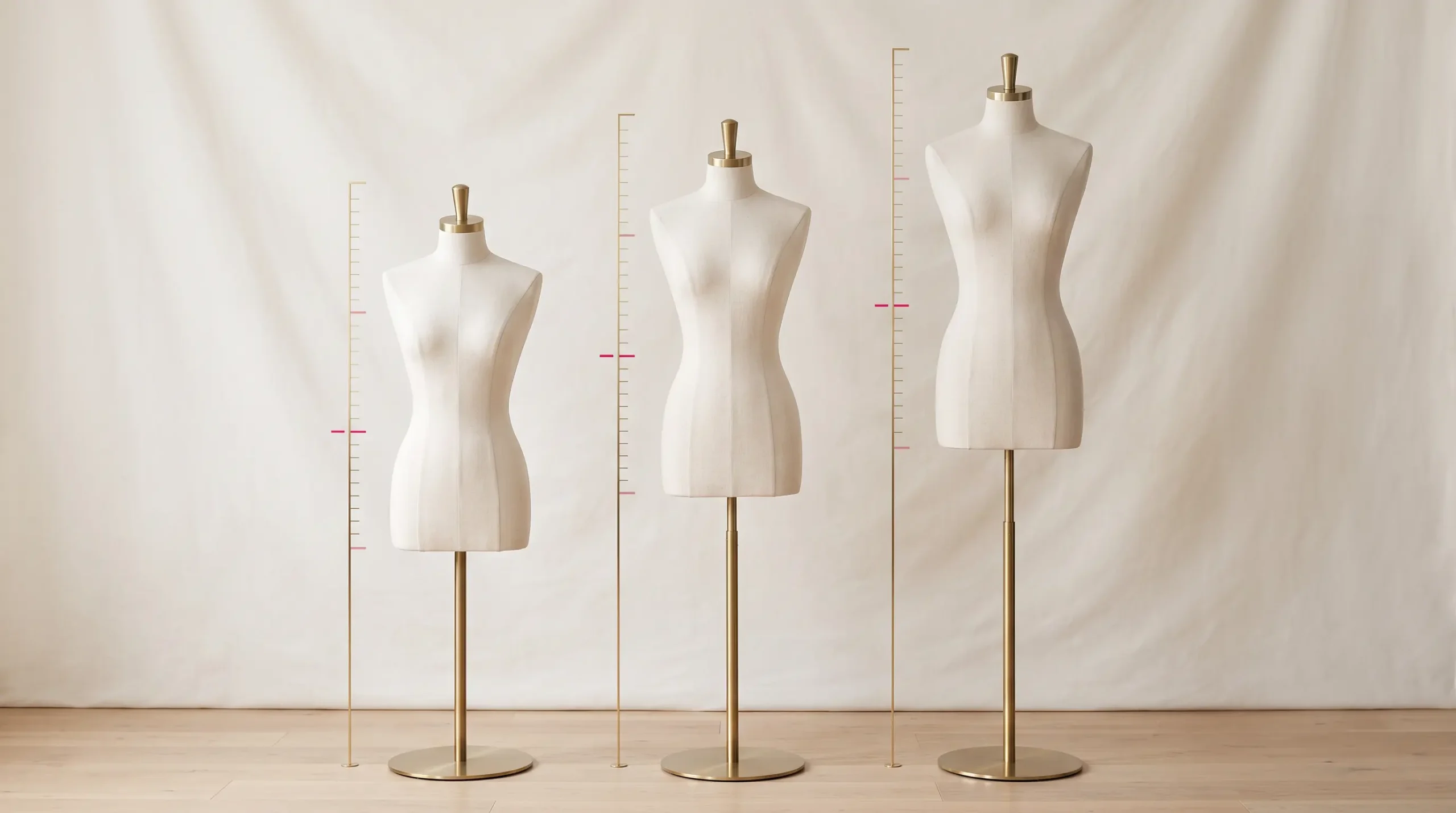
Doll bodies usually range from petite adult figures near 140 cm to tall builds of 175 cm or more. Choose your size based on storage space, how easily you can lift the doll, and the proportions you prefer. Bigger dolls look more lifelike but weigh a lot more.
Weight is the detail most buyers forget. A full-size doll can weigh 30 to 45 kg (about 65 to 100 lbs), which is real weight to move and pose. A petite body is lighter and easier to tuck away, but the proportions feel less realistic.
Bodies are named with a simple code. “160D” means a doll that is 160 cm tall with a D cup. Silicone bodies often add an “S,” so “S165D” reads as a 165 cm silicone body with a D cup. Once you know the code, browsing gets easy.
| Attribute | Typical options | Good to know |
|---|---|---|
| Height | 140–149 / 150–159 / 160–169 / 170 cm+ | Taller = more realistic, heavier to handle |
| Weight | ~20 kg (petite) to 45 kg (full-size) | Plan for lifting and storage |
| Cup size | A–C, D–F, G+ | Larger cups add weight up top |
| Naming code | “160D” = 160 cm, D cup | “S” prefix = silicone body |
Bottom line: pick the largest body you can comfortably lift and store. If you live in a small space or travel, a lighter mid-height figure is the smarter buy.
How do you choose the head sculpt and facial details?
Start with the head sculpt for overall facial harmony, then fine-tune the eyes, brows, lashes, and freckles. A head sculpt is the pre-designed face shape — the nose, lips, cheekbones, and expression — that gives your doll its personality. Choose the whole look first, not one feature at a time.
Eyes are your most flexible detail. Most dolls now use “easy-move” full-eyeball units that you can swap or re-angle in seconds. This spring-loaded design beats the cheaper half-eye style, which is stiff and hard to adjust. You can change eye color anytime.
Brows and lashes come painted or implanted. Implanted brows and lashes look more realistic, but they need a firmer head and cost a little more. Freckles are optional too — from none to heavy, and they’re permanent on silicone but wash off on TPE.
| Attribute | Options | Detail |
|---|---|---|
| Head sculpt | Dozens of face shapes | Pick for harmony, not single features |
| Eyes | Easy-move, swappable | Change color in seconds |
| Brows & lashes | Painted or implanted | Implanted = firmer head, higher realism |
| Freckles | None to heavy | Permanent on silicone, removable on TPE |
To put it simply, choose a head sculpt you love first. Then treat eyes, brows, and freckles as easy upgrades that push realism a notch higher.
Which skin tone should you pick for your doll?
Most makers offer 4 to 6 core skin tones, from fair to deep. Pick the complexion that matches the look you’re going for, then decide how much makeup you want painted on. Skin tone shapes the whole style of the doll, so choose it with the head sculpt in mind.
The common range runs fair porcelain, natural beige, warm tan, and deep bronze. Lighter tones read soft and classic. Warmer and deeper tones look sun-kissed and modern. There’s no wrong choice — it’s purely your taste.
Makeup and blushing add the finishing touch. Factories can paint rosy cheeks, defined lips, and subtle body shading before shipping. On silicone dolls, this painted detail is baked in and lasts for years. On TPE, heavy makeup can fade with cleaning.
| Attribute | Options | Detail |
|---|---|---|
| Core tones | 4–6 shades (fair to deep bronze) | Match to the sculpt and your style |
| Makeup | Light, natural, or bold | Painted at the factory |
| Blushing | Cheeks, lips, body shading | Longest-lasting on silicone |
The key takeaway is to match skin tone to the vibe you want. If you love a painted, magazine-ready finish, silicone holds that detail far longer than TPE.
TPE or silicone: which doll material is right for you?
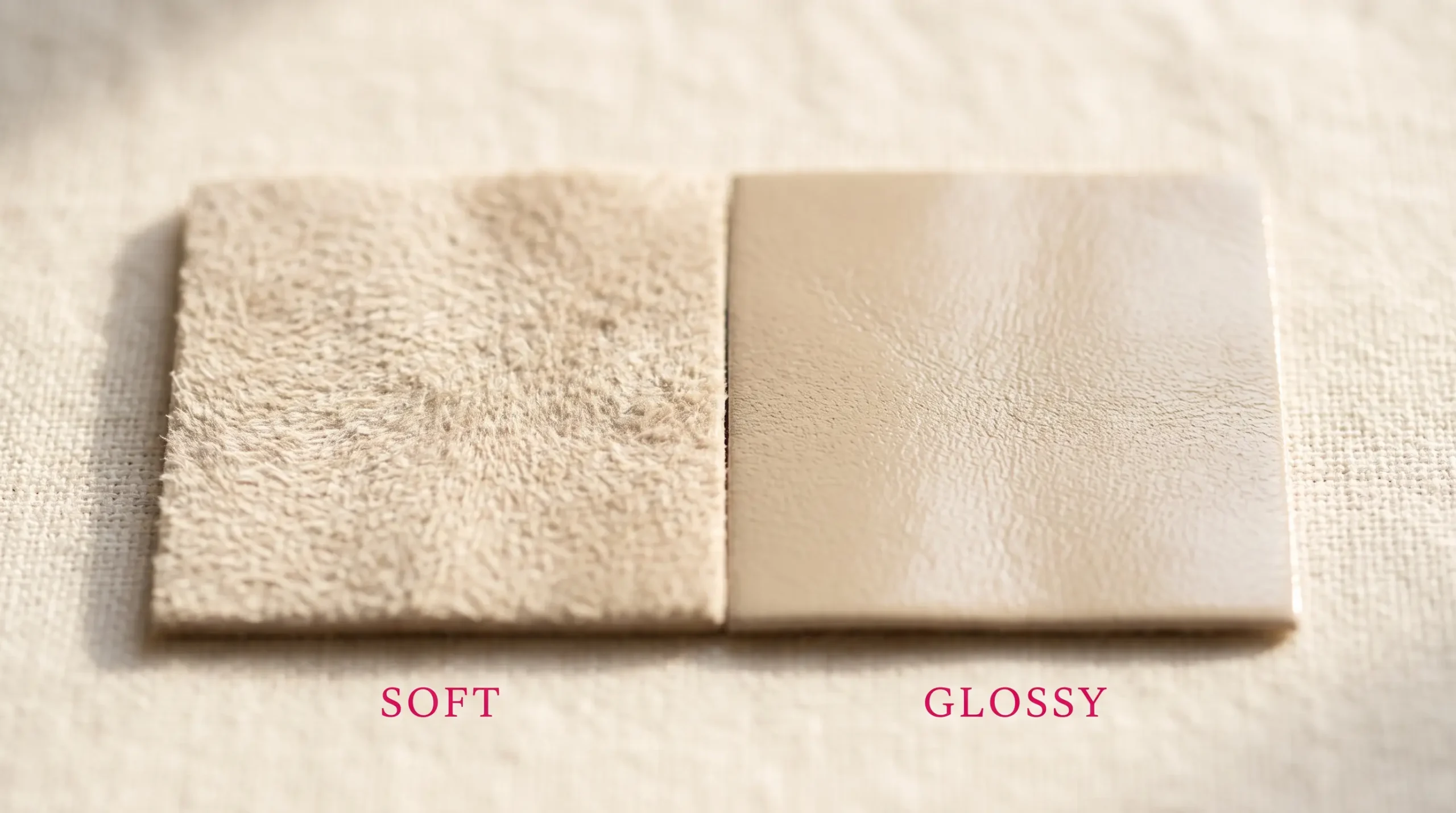
Choose TPE for a softer feel and lower price, or silicone for durability and easier cleaning. This is the single most important of all your doll customization options, because material controls feel, care, and how long the doll lasts. Many buyers now pick a smart middle path.
TPE (thermoplastic elastomer) is softer, squishier, and cheaper. The trade-off: it’s porous, so it needs regular powdering and careful drying to stay fresh. Silicone is firmer, non-porous, stain-resistant, and heat-tolerant up to about 200 °C (392 °F).
Durability is the big gap. Silicone can last 5 to 10+ years with good care — often two to three times longer than TPE. That’s why our experts often suggest a hybrid build: a silicone head on a TPE body. You get a lifelike face and a soft body while keeping the cost down.
| Material | Feel | Durability | Care | Cost |
|---|---|---|---|---|
| TPE | Soft, squishy | Shorter lifespan | Powder + dry often | Lower |
| Silicone | Firmer, detailed | 5–10+ years | Easy to clean | Higher |
| Hybrid | Real face, soft body | Long (silicone head) | Moderate | Middle |
Choose TPE for softness and value, silicone for realism and longevity — or a hybrid to get the best of both.
In summary, if budget leads, go TPE. If you want detail and long life, go silicone. If you can’t decide, the silicone-head hybrid is the crowd favorite.
Wig or implanted hair: which should you choose?
A removable wig is usually included free, while implanted hair is a paid premium upgrade. A wig lets you change hairstyles and colors anytime in seconds. Implanted hair looks more natural but locks you into one style. Pick based on how much you like to experiment.
Wigs are the practical default. They’re swappable, easy to wash, and cost nothing extra on most orders. If you enjoy changing your doll’s look — from a bob to long waves — a wig is clearly the better choice.
Implanted hair is strand-by-strand rooted into the scalp for a seamless look. It’s a premium add-on, and it makes the head firmer. One trade-off worth knowing: a firmer implanted head can make swapping the eyes a little harder later on.
| Attribute | Removable wig | Implanted hair |
|---|---|---|
| Cost | Usually free | Paid premium |
| Styling | Change anytime | Fixed style |
| Realism | Very good | Most natural |
| Trade-off | Can shift or slip | Firmer head, harder eye swaps |
To put it simply, pick a wig if you love variety and value. Pick implanted hair only if a single, seamless hairstyle matters more to you than flexibility.
Which doll upgrades are actually worth the money?
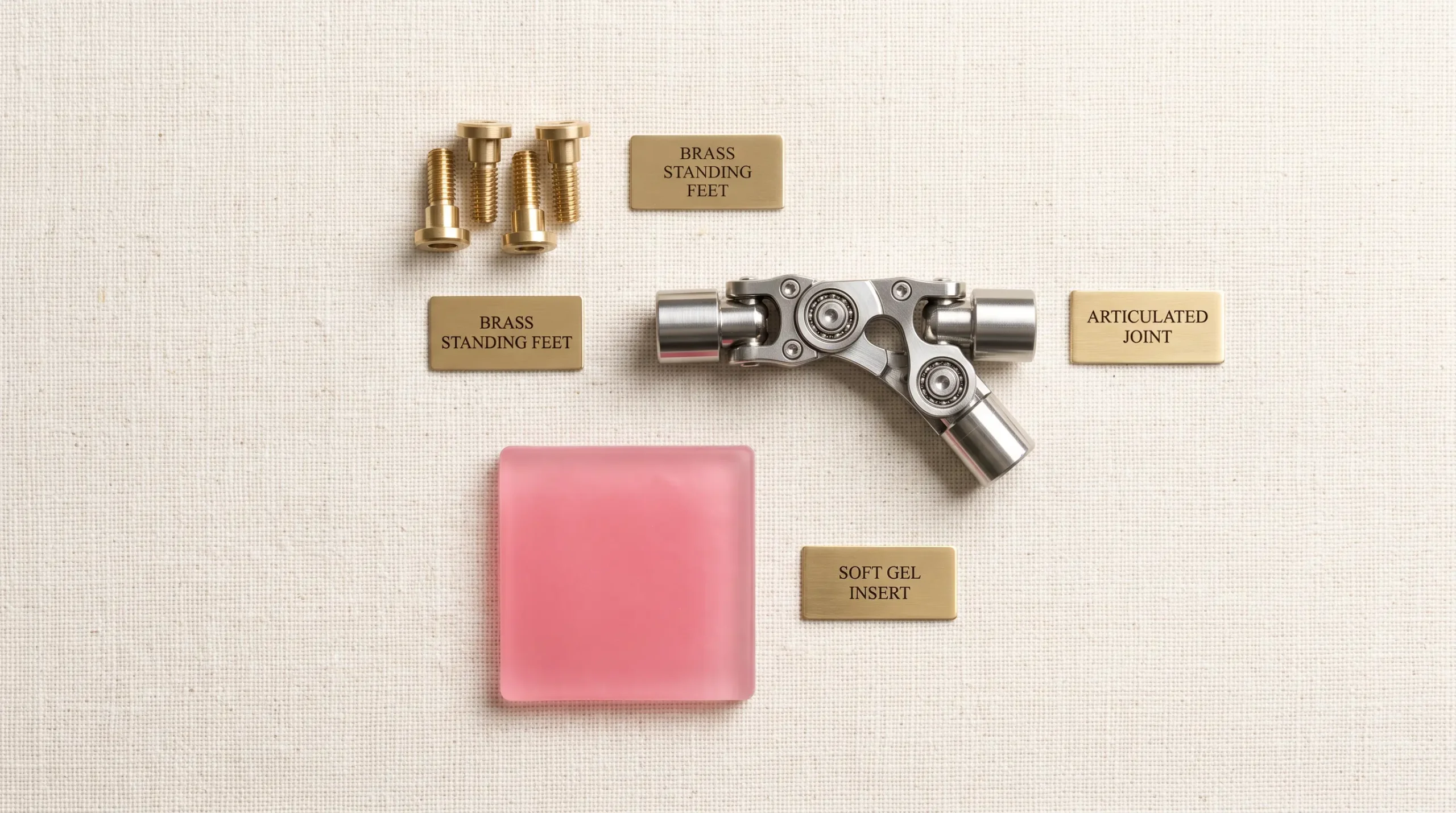
The upgrades most worth their cost are standing feet, a flexible skeleton, and gel breasts. These three add real, everyday value for posing and realism. Fragile extras like individually boned fingers are easy to skip. Spend your budget where you’ll notice the difference.
Standing feet add small metal bolts in the soles so the doll can stand upright. They list around $50 but are often free during promotions. For photos, display, and storage, they’re one of the best-value picks. Just steady the doll to prevent falls.
An upgraded skeleton unlocks better poses. A standard skeleton bends and sits fine. An EVO or double-jointed skeleton — usually $180 to $450 more — allows deep squats, high leg raises, and shrugging shoulders. Posing fans find this upgrade well worth it.
For breasts, you’ll choose hollow, solid, or gel. Hollow is lightest and squishiest, great for cutting the weight of a large doll. Solid is firmer and heavier. Gel feels the most lifelike and is the default on silicone dolls.
| Upgrade | Typical cost | What it does | Worth it? |
|---|---|---|---|
| Standing feet | ~$50 (often free) | Lets the doll stand | Yes — high value |
| EVO skeleton | +$180–$450 | Deep squats, leg raises | Yes for posing fans |
| Gel breasts | Varies by build | Most realistic feel | Yes for realism |
| Articulated fingers | Small add-on | Firmer, poseable hands | Skip if you fear breakage |
Here’s what you need to know: standing feet and a flexible skeleton give the biggest day-to-day payoff. Delicate finger bones break easily, so many owners leave those off.
Are heating and AI voice features worth adding?
Heating and AI voice add realism and interaction, but both raise the price and add upkeep. Add them only if warmth or conversation genuinely matters to you. For many buyers, these features are fun but optional. Let’s look at the real numbers.
Internal heating warms the body and costs roughly $200 on premium models. It adds a lifelike touch, but a few sellers avoid it over melting and internal-damage concerns. A free alternative: tuck the doll under a blanket for 10 to 15 minutes before use.
AI voice turns a doll into a talking companion. An AI-equipped head can add $1,000 or more, and it often needs a yearly subscription of about $100. If that subscription lapses, the doll can “forget” past chats. A companion phone app is a cheaper way to try the idea.
| Feature | Typical cost | Upkeep | Note |
|---|---|---|---|
| Internal heating | ~$200 | None | Silicone tolerates heat better than TPE |
| AI voice module | +$1,000 and up | ~$100/year | Loses memory if subscription lapses |
| Free warming | $0 | None | Blanket for 10–15 min |
Bottom line: heating is a modest, useful extra. AI voice is a bigger spend with ongoing fees, so try the app version first before committing.
How much does a custom doll cost and how long until it arrives?
A full realistic custom doll usually costs $1,000 to $3,000+, and production plus shipping takes about 4 to 7 weeks. Photo-based custom heads can climb much higher. Knowing the price and timeline up front helps you order with confidence. Always budget a little extra for accessories.
Here’s the price picture. A standard custom build lands in the $1,000–$3,000 range. A head sculpted from your own photos can run $5,000 to $10,000. Beyond the doll, plan for a cleaning kit, a storage solution, and a spare wig.
Lead times vary by material and season. Retailers often quote 2–3 weeks production for TPE and 4–5 weeks for silicone, plus 1–2 weeks shipping. Some suppliers list longer windows of 6–10 weeks for fully custom orders. Holidays can add delays too.
| Item | Typical range | Detail |
|---|---|---|
| Standard custom doll | $1,000–$3,000+ | Depends on size and options |
| Photo-custom head | $5,000–$10,000 | Sculpted from your images |
| Production time | 2–5 weeks (up to 10) | TPE faster, silicone slower |
| Shipping | 1–2 weeks | Factory photos sent before dispatch |
The most important thing to remember is to confirm the total cost and timeline before you pay. A trustworthy seller sends factory photos for your approval and ships in discreet packaging.
❓ Frequently Asked Questions
TPE is softer and cheaper, while silicone is more durable and easier to clean. TPE is porous and needs regular powdering, while silicone resists stains and heat and can last 5 to 10+ years. Many buyers choose a hybrid — a silicone head on a TPE body — to balance realism and cost.
Most custom dolls take about 4 to 7 weeks total. Production runs roughly 2–3 weeks for TPE and 4–5 weeks for silicone, with shipping adding another 1–2 weeks. Fully custom orders can take up to 10 weeks, and good sellers send factory photos before dispatch.
Yes — standing feet are one of the best-value upgrades. They add metal bolts in the soles so your doll can stand for posing, photos, and storage. At around $50 (often free on promotions), they’re an easy yes, though you should still support the doll to prevent falls.
Hollow is lightest, solid is firmest, and gel feels the most realistic. Hollow breasts are air-filled and cut the weight of a large doll, while solid ones are heavier and firmer. Gel breasts move most naturally and come standard on silicone dolls.
It depends on how much you value conversation. AI voice adds interactivity but raises the price by $1,000 or more and may need a yearly subscription of about $100. If budget matters, pairing a standard doll with a companion phone app is a much cheaper way to try it.
Making the most of your doll customization options
Your five must-have doll customization options — body, face, skin, material, and hair — are the foundation of a doll you’ll truly enjoy. Get these right, and the upgrades simply add polish. Order thoughtfully, and the result feels made just for you.
At SweetieDoll, our team is here to help you build that doll from the first choice to the last. Take your time, use this guide as your checklist, and reach out whenever you’re ready to start your custom order.
📚 References
- Expert product review — a hands-on, medically reviewed buyer’s guide covering materials, features, and realistic pricing for companion dolls. Innerbody Research
- TPE vs. silicone materials — a detailed comparison of feel, durability, heat tolerance, and care for the two main doll materials. YJL Doll Material Guide
- Full customization glossary — an A–Z reference of every custom order option, from eyes and freckles to feet and skeleton. Lushdoll Customization Guide
- Skeleton & articulation — a technical explainer on standard, shrugging-shoulder, and EVO skeletons and what each one lets a doll do. SD Canada Help Center