
Choosing between TPE vs silicone sex dolls is the biggest decision you’ll make before you buy. Both materials look lifelike in photos. But they feel, last, and clean up very differently. At SweetieDoll, we help buyers match the right doll material to their budget, their daily routine, and how they actually plan to use it.
Table of Contents
This guide breaks the choice down by feel, realism, durability, safety, maintenance, and price. No chemistry lecture — just the facts you need to choose with confidence.
The short answer: TPE wins on soft, warm feel and a lower price. Silicone wins on durability, fine detail, and easy cleaning. Your best pick depends on your budget and how much upkeep you want to do.
⚖️TPE vs Silicone Sex Dolls: Comparison at a Glance
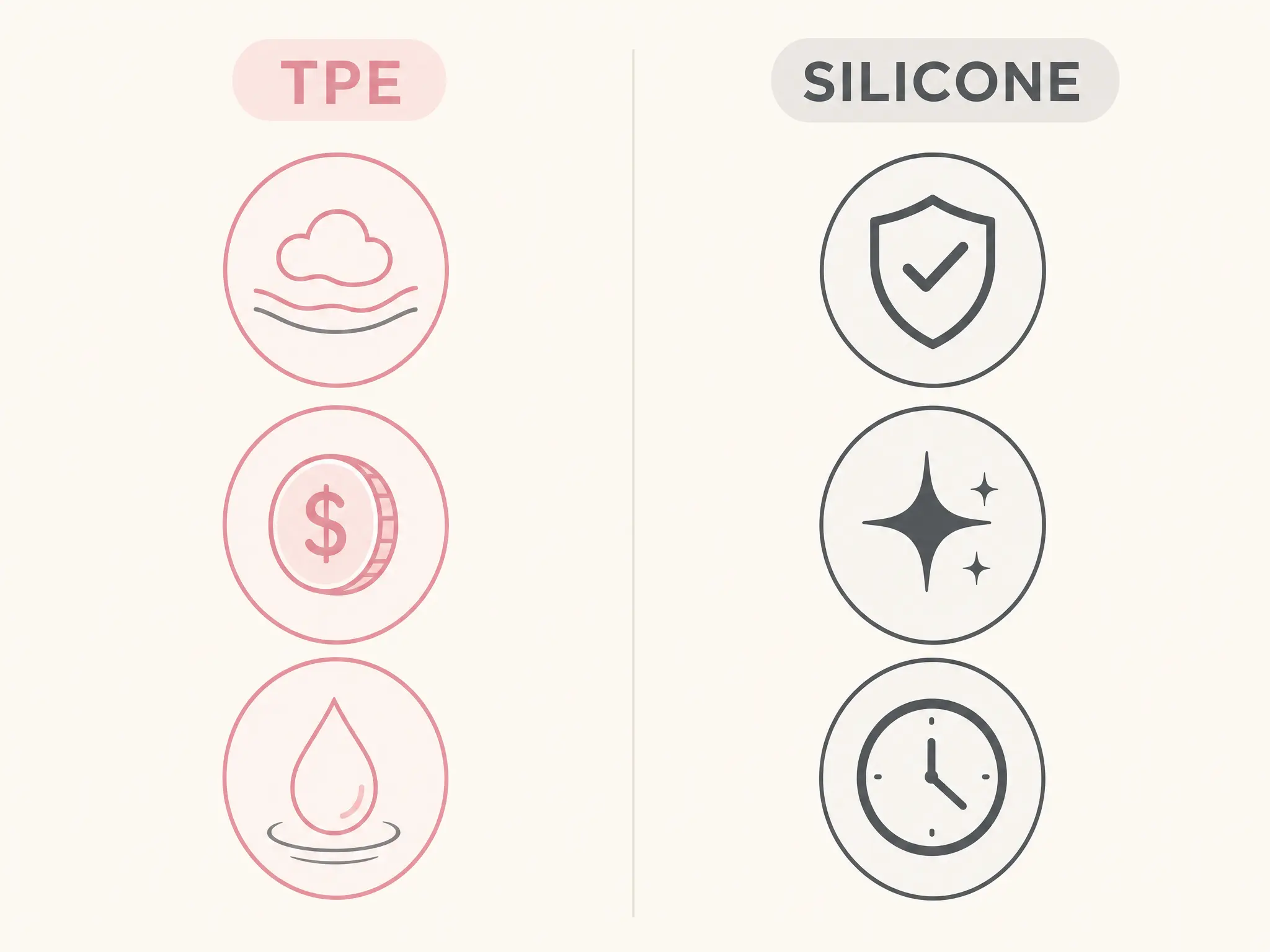
Before we dig into each factor, here’s the whole TPE vs silicone comparison in one place. Use this table as your quick reference, then read on for the details that matter most to you.
| Factor | TPE Dolls | Silicone Dolls |
|---|---|---|
| Feel | Softer, warmer, very compressible | Firmer, cooler at first touch |
| Stretch | 6–8× original length | 3–5× original length |
| Visual detail | Good | Excellent (fine pores, texture) |
| Lifespan | 3–5 years | 5–10+ years |
| Porosity | Porous (needs careful cleaning) | Non-porous (sterilizable) |
| Maintenance | Oiling + powdering | Occasional powdering |
| Price | Lower (~⅓–½ of silicone) | Higher, better long-term value |
| Weight | Lighter | Heavier at equal size |
| Best for | Beginners, budget buyers | Collectors, low-maintenance owners |
Here’s what you need to know: TPE is the soft, affordable, higher-care option, and silicone is the detailed, durable, easy-care option. The sections below explain why.
🔍What’s the Difference Between TPE and Silicone Sex Dolls?
The core difference is composition. TPE (Thermoplastic Elastomer) is a soft blend of polymers and oils that compresses like real flesh. Silicone is a cured synthetic material that is non-porous and holds fine detail.
Think of it this way: TPE is prized for a plush, squeezable feel. Silicone is prized for sharp, realistic skin texture and a longer life. That single split — soft-and-cheap versus detailed-and-durable — drives every other difference below.
| Material | What it is | Signature trait |
|---|---|---|
| TPE | Polymer-and-oil blend | Soft, warm, very compressible |
| Silicone | Cured non-porous synthetic | Firm, detailed, long-lasting |
The key takeaway: TPE is softer and cheaper, while silicone is more detailed and more durable. Everything else flows from that.
✋Which Doll Material Feels More Realistic?
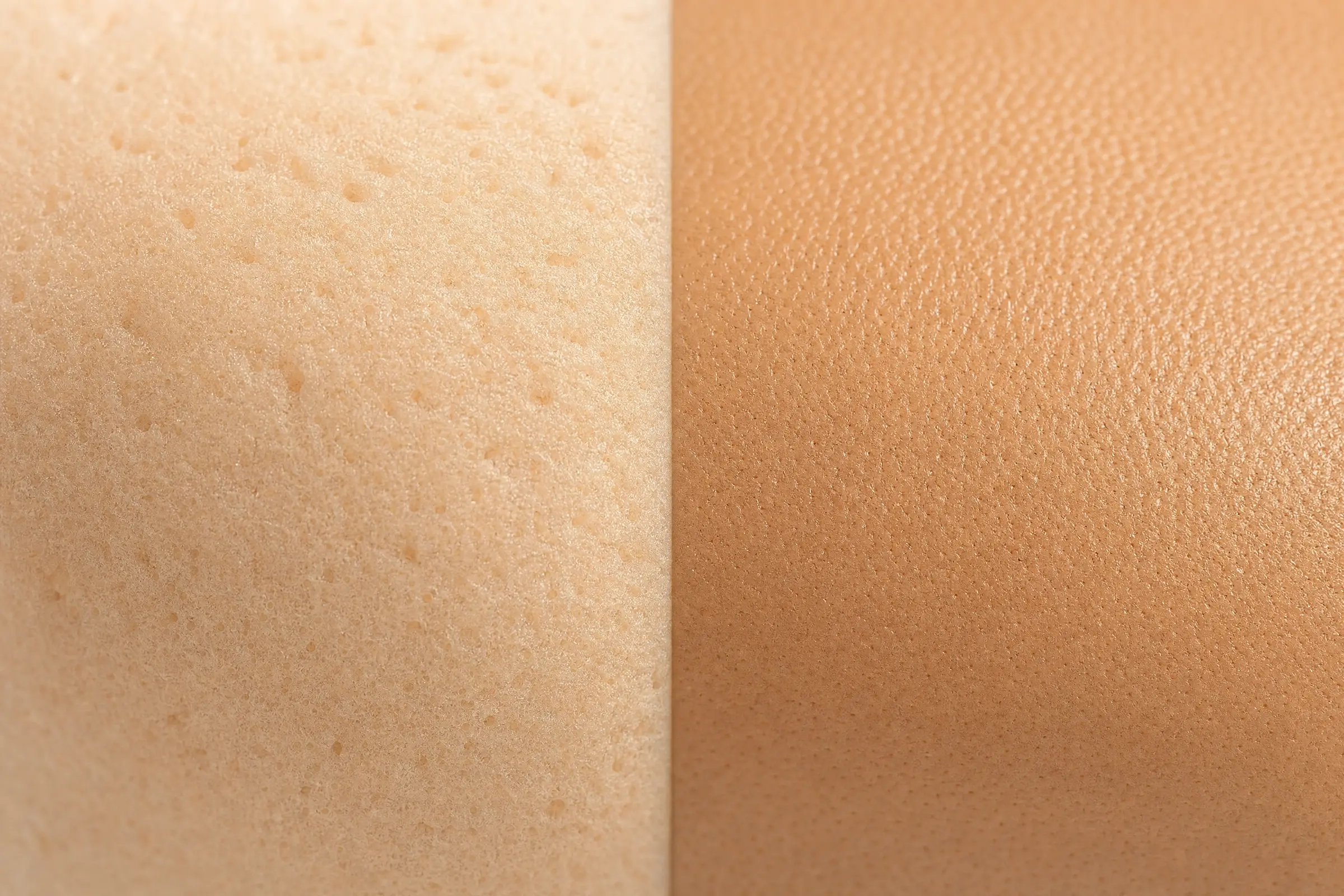
It depends on your definition of realistic. TPE stretches 6–8 times its original length, giving a soft, jiggly, skin-like feel. Silicone stretches 3–5 times, so it feels firmer but shows finer skin detail like pores and texture.
TPE also wins on warmth. It warms toward body temperature faster, while silicone starts cool to the touch. If soft, warm, and squeezable is your priority, you’ll likely prefer TPE.
Silicone, on the other hand, looks more convincing in close-up. Makers can sculpt crisp facial features and lifelike skin surfaces that TPE struggles to match. Photographers and collectors tend to lean silicone for exactly this reason.
| Realism factor | TPE | Silicone |
|---|---|---|
| Softness / stretch | 6–8× length | 3–5× length |
| Warmth | Warms up fast | Starts cool |
| Visual detail | Good | Excellent |
Bottom line: TPE feels more real, and silicone looks more real. Decide which sense matters more to you.
⏳Which Sex Doll Material Lasts Longer?
Silicone lasts longer — about 5–10+ years versus 3–5 years for TPE. That’s roughly two to three times the lifespan when both are cared for properly. Silicone is simply more resistant to stretching, tearing, and aging.
Silicone also handles heat far better. It stays stable up to around 200°C (392°F) before it risks damage. TPE softens and degrades at much lower temperatures, so heat and direct sun are its enemies.
There’s one trade-off worth knowing. TPE is easier to repair at home — small tears can often be patched with a heat tool. Silicone is tougher day to day, but a damaged silicone doll usually needs professional repair.
| Durability factor | TPE | Silicone |
|---|---|---|
| Typical lifespan | 3–5 years | 5–10+ years |
| Heat resistance | Low (keep cool) | Up to ~200°C / 392°F |
| Home repair | Easy (small tears) | Needs a pro |
In summary, if you want a doll that lasts many years with less worry, silicone is the more durable material.
🧼Is TPE or Silicone Safer and More Hygienic?
For pure hygiene, silicone has the edge because it is non-porous and can be sterilized. TPE is porous, meaning its surface has tiny openings that can trap fluids and bacteria. That makes thorough cleaning after every use essential for TPE.
Silicone is also hypoallergenic — a material that rarely triggers allergic reactions. It doesn’t need chemical softeners to stay flexible, which is a real safety plus for sensitive users.
Here’s what you need to know about chemicals. Some low-grade TPE can contain phthalates — plasticizers used to soften plastic that regulators have restricted in many products. Always buy TPE that is clearly labeled phthalate-free, and ask the seller for material test certificates.
Safety rule of thumb: verify the material grade before you buy. Look for “medical-grade silicone,” “phthalate-free,” and real test documentation — not vague terms like “realistic material.”
Cleaning habits matter more than the material itself. Wash your doll with mild soap and warm water after every use, then dry it completely before storage. For TPE especially, trapped moisture in those tiny pores is what leads to bacteria and odor over time.
The most important thing to remember: both materials can be safe from a trusted brand, but silicone is the easier material to keep truly clean.
🧴How Much Maintenance Does Each Material Need?
TPE needs more upkeep — regular oiling plus powdering — while silicone mainly needs occasional powdering. The reason is chemistry. TPE slowly loses the oils that keep it soft, so owners reapply a maintenance oil to prevent stickiness and cracking.
After cleaning, TPE also needs renewal powder — a talc-like powder that keeps the surface dry and smooth. Skip this step and the skin can turn tacky and attract dust and lint.
Silicone is much closer to “clean and go.” A basic wash, a full dry, and occasional powdering keep it in great shape. It also resists stains better, so dark clothing and denim are less of a threat.
- TPE routine: wash after use → dry fully → oil periodically → powder to finish
- Silicone routine: wash after use → dry fully → light powder now and then
- Both: store away from heat, sun, and dark fabrics that can stain
To put it simply, choose TPE if you don’t mind a care routine, and silicone if you want the lowest-effort ownership.
💧What Lubricant Is Safe for TPE and Silicone Dolls?
Use water-based lubricant only — with both TPE and silicone dolls. Silicone-based and oil-based lubes can break the material down, cause swelling, or leave a permanent sticky mess. This one mistake ruins more dolls than any other.
The rule surprises people, but it’s simple. Silicone lube reacts badly with silicone dolls, and oils degrade TPE. Water-based lube is the safe choice across the board, and it rinses off easily during cleanup.
| Lube type | Safe for dolls? |
|---|---|
| Water-based | ✅ Yes — the safe default |
| Silicone-based | ❌ No — damages silicone dolls |
| Oil-based (coconut oil, Vaseline) | ❌ No — degrades TPE |
Bottom line: when in doubt, reach for water-based lube. It protects both doll materials and keeps cleanup easy.
👃Do TPE and Silicone Dolls Have a Smell?
TPE can have a mild plastic-like smell when new, while silicone is nearly odorless. The scent comes from the oils in TPE, and it usually fades within the first few days to weeks of airing out. Higher-quality TPE tends to smell less and clear faster.
Silicone rarely has this issue. Because it’s an inert, non-porous material, it doesn’t hold or release much odor over its life. For anyone sensitive to smells, silicone is the cleaner-scented choice.
You can reduce any TPE odor with simple habits. Wash the doll before first use, let it air out in a ventilated room, and dust it with renewal powder to keep the surface fresh. Good storage prevents trapped odors from building up.
Quick tip: a light plastic scent on a new TPE doll is normal, not a defect. It should fade with airing and a first cleaning.
To put it simply, if a completely odor-free doll matters to you, silicone is the safer bet from day one.
📦How Should You Store Each Doll Material?
Store both materials flat or hanging, away from heat, sunlight, and dark fabrics. But TPE needs a little extra care. It’s more heat-sensitive and more stain-prone, so where and how you store it directly affects how long it lasts.
Keep TPE out of direct sun and warm spaces, which can soften or warp it. Avoid leaving it pressed against dark or dyed clothing, since TPE stains more easily than silicone. Reapply powder after cleaning to keep the surface smooth and dry.
Silicone is more forgiving. It resists staining and heat better, so a cool, dry spot is usually all it needs. Still, both materials do best when they’re kept clean, fully dry, and out of harsh light.
- TPE storage: cool, dark, dry — no sun, no heat, no dark fabrics pressed to the skin
- Silicone storage: cool and dry — more tolerant of everyday conditions
- Both: dry fully before storing to prevent trapped moisture
The key takeaway: good storage adds years to either doll, and it matters most for TPE.
💰How Much Do TPE and Silicone Dolls Cost?
TPE costs roughly one-third to one-half the price of a comparable silicone doll. That lower entry price is why TPE is the most popular choice for first-time and budget-conscious buyers.
But price now isn’t the whole story. Silicone costs more upfront, yet it lasts two to three times longer. Over several years, that longer life can make silicone the better value, not just the pricier option.
Smart budgeting means looking past the sticker price. Factor in shipping, warranty, and the cost of care supplies — oil and powder for TPE, mainly powder for silicone.
| Cost factor | TPE | Silicone |
|---|---|---|
| Upfront price | Lower (~⅓–½ of silicone) | Higher |
| Lifespan value | Shorter life | Longer life, better long-term value |
| Best for | Budget & first-time buyers | Long-term owners |
The key takeaway: TPE wins on price today, and silicone often wins on value over time.
🎯Which Doll Material Is Right for You?
Choose TPE if you want a soft, warm feel on a smaller budget. Choose silicone if you want durability, easy care, and the most detailed look. The right doll material really comes down to who you are as a buyer.
Every buyer fits a rough profile. Match yours to the material that serves it best:
| You are a… | Top priority | Best material |
|---|---|---|
| Beginner / budget buyer | Soft feel, lower spend | TPE |
| Collector / photographer | Fine detail, longevity | Silicone |
| Low-maintenance owner | Easy, fast cleaning | Silicone |
| Sensitive-skin user | Hypoallergenic surface | Silicone |
| Frequent mover | Lighter weight | TPE |
One quick note on weight. Silicone is heavier than TPE at the same size, which matters for lifting, posing, and storage. If you’ll move your doll often, TPE’s lighter build is easier to handle.
That’s why SweetieDoll offers both TPE and silicone options, plus hybrids. It lets you pick the exact match for your feel, budget, and care preferences — instead of settling for a one-size-fits-all doll.
🔀Are Hybrid Dolls the Best of Both Worlds?
Hybrid dolls pair a detailed silicone head with a softer, cheaper TPE body. They’re a middle path if you can’t fully commit to one material. You get a lifelike face plus a plush, budget-friendly body.
The idea is smart, but know the trade-off. Your doll still has a TPE body, so it inherits TPE’s care routine — oiling, powdering, and careful storage. You’re blending the strengths and the maintenance of both materials.
| Configuration | You gain | You still manage |
|---|---|---|
| Silicone head + TPE body | Detailed face, softer body, mid price | TPE body maintenance |
In summary, hybrids are a great compromise for buyers who want silicone realism up top without the full silicone price tag.
🏁Final Verdict: Picking Your Doll Material
The TPE vs silicone choice isn’t about which material is “better” — it’s about which one fits you. Go with TPE for the softest, warmest feel at the lowest price. Go with silicone for durability, easy cleaning, and top-tier detail. Pick a hybrid if you want a bit of both.
Whatever you choose, buy from a brand that lists its exact materials and backs them with real documentation. That single habit protects your body, your budget, and your doll’s lifespan.
Ready to choose your material with confidence?
Explore the SweetieDoll collection of premium TPE, silicone, and hybrid dolls — and find the perfect match for how you’ll actually use it.
❓Frequently Asked Questions
Neither is universally better. TPE offers a softer feel at a lower price, while silicone offers greater durability, easier cleaning, and finer detail. Your best pick depends on your budget and how much upkeep you’ll do.
Silicone lasts longer — typically 5–10+ years versus 3–5 years for TPE. That’s about two to three times the lifespan with proper care.
Higher-grade TPE from a trusted seller is generally safe, but it is porous and can’t be fully sterilized. Clean it thoroughly after every use, and confirm it is labeled phthalate-free before buying.
Use water-based lubricant only. Silicone-based and oil-based lubes can degrade both materials, causing swelling, stickiness, or permanent damage.
Check the product specs and price first — genuine silicone costs much more than TPE. Silicone feels firmer and cooler at first touch, while TPE feels softer and warmer. Always ask for material certificates to be sure.
TPE is often the easier starting point thanks to its soft feel and lower price. That said, first-time buyers who want less cleaning and a longer lifespan may prefer silicone. Both work well for beginners from a reputable brand.
A new TPE doll can have a mild plastic-like scent that usually fades within a few days to weeks of airing out. Silicone is nearly odorless. Washing before first use and adding powder helps keep any smell away.
📚References
- Phthalates & consumer safety: The U.S. Food & Drug Administration’s overview of phthalates, exposure sources, and its ongoing safety monitoring. U.S. FDA
- Phthalate health research: A peer-reviewed systematic review of phthalate reproductive toxicity, noting CPSC and EU restrictions on phthalates in consumer goods. National Library of Medicine (NIH)
- What thermoplastic elastomers are: Encyclopedia Britannica explains TPE structure, why it can be molded and remolded, and its ~200°C (390°F) processing range. Encyclopedia Britannica
- TPE material properties: The British Plastics Federation’s technical definition of thermoplastic elastomers and their rubber-like elasticity. British Plastics Federation