
Removing clothing stains from a TPE sex doll is easier than most owners fear. Dark clothes bleed dye into the soft, porous surface — but the right method lifts most of it out. At SweetieDoll, we’ve walked thousands of owners through this exact panic moment. This guide covers why TPE stains happen, how to remove clothing stains step by step, and how to stop color transfer for good. TPE doll stain removal works best when you act early and reach for a gentle method first.
Table of Contents
The short answer
Wash the stained area, apply a TPE stain-remover cream, wrap it in cling film for 24 hours, then wipe and repeat. For light marks, a mineral-oil compress often works. Most stains fade in 1–3 rounds. Always re-powder the doll when you finish.
Why does your TPE sex doll get stained by clothes?
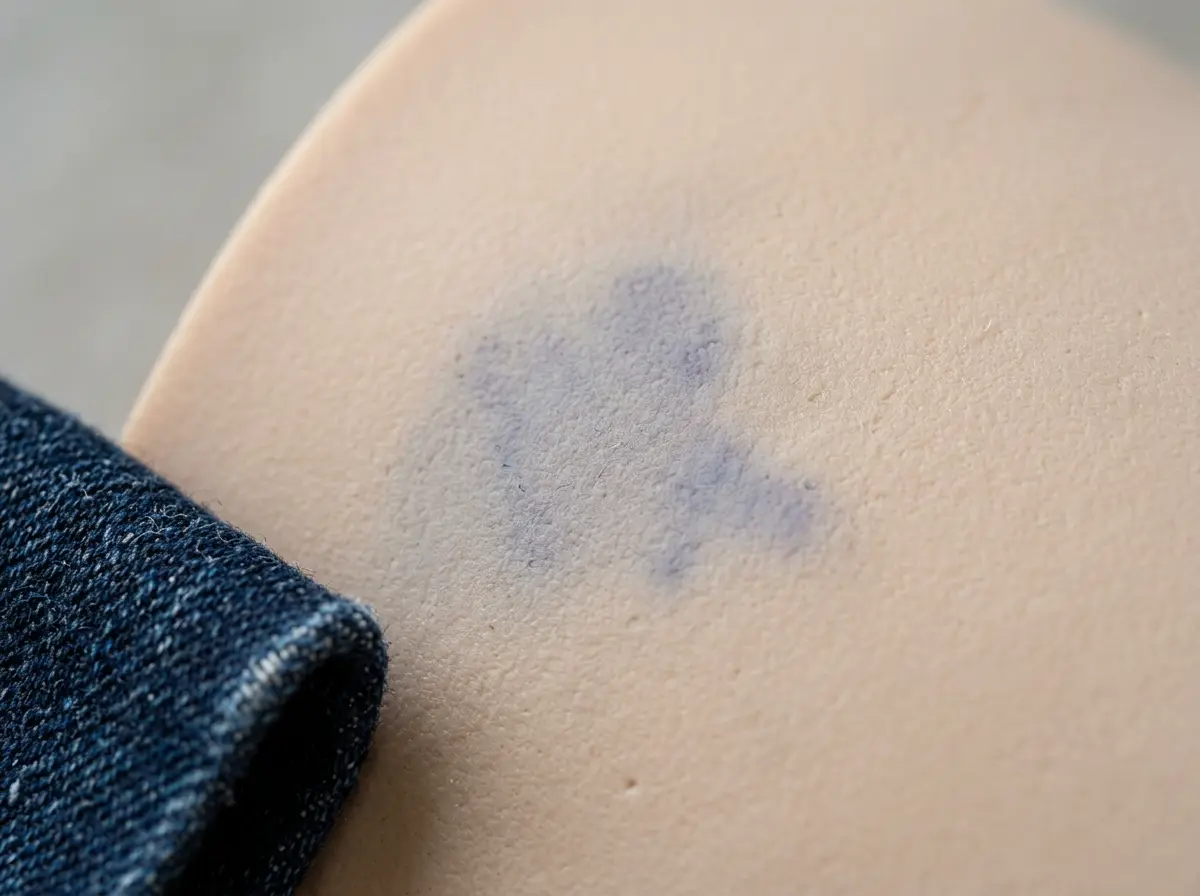
Your TPE doll stains because the material is porous and full of oil, so dye from dark clothing sinks right in. TPE stands for thermoplastic elastomer — a soft, rubber-like plastic used to make lifelike dolls feel skin-like.
That softness comes from oil. Soft TPE typically contains 20–30% oil as a plasticizer, and that oil is exactly what traps dye. When dark fabric touches the surface, its dye dissolves into the oil and spreads below the skin. This is why simply wiping the surface never works.
| Entity | Attribute | Value |
|---|---|---|
| Soft TPE | Oil (plasticizer) content | 20–30% |
| Highest-risk clothing | Colors that bleed | Black, navy, red, denim |
| Dye migration | Where it settles | Below the surface |
The worst offenders are black, navy, red, and denim. New and cheaply-dyed fabrics bleed the most.
Heat and friction speed things up. A warm room, body-temp play, or tight clothing all push dye in faster. This is also why silicone dolls stain far less — silicone is denser and holds almost no oil. Soft TPE simply grips color more easily, so early cleaning matters more here.
In short, dye transfer is a normal trait of TPE — not a sign your doll is low quality.
Are clothing stains on a TPE doll permanent?
Most clothing stains on a TPE doll are not permanent — they fade with repeated treatment. A fresh, light stain often lifts in a single round. A deep, set-in stain may take three or more rounds over a few days.
| Stain type | Difficulty | Typical rounds |
|---|---|---|
| Fresh light stain | Easy | 1 |
| Older medium stain | Moderate | 2–3 |
| Deep set-in dye | Stubborn | 3+ (may leave a faint shadow) |
Speed matters most. Treat a stain within the first 24 hours for the best result. Deep dye may never lift 100%, so a faint shadow can remain. But patience pays off — each round pulls out a little more.
Your doll’s skin tone changes what you’ll notice. Pale and white dolls show dye stains most, so treat them promptly. On darker skin tones, light marks blend in and matter less. Either way, the same gentle methods work — only the urgency shifts.
The sooner you treat a stain, the more of it you’ll get out.
Bottom line: act fast, work in gentle rounds, and most stains will fade to nearly nothing.
How do you remove clothing stains from a TPE doll with stain-remover cream?
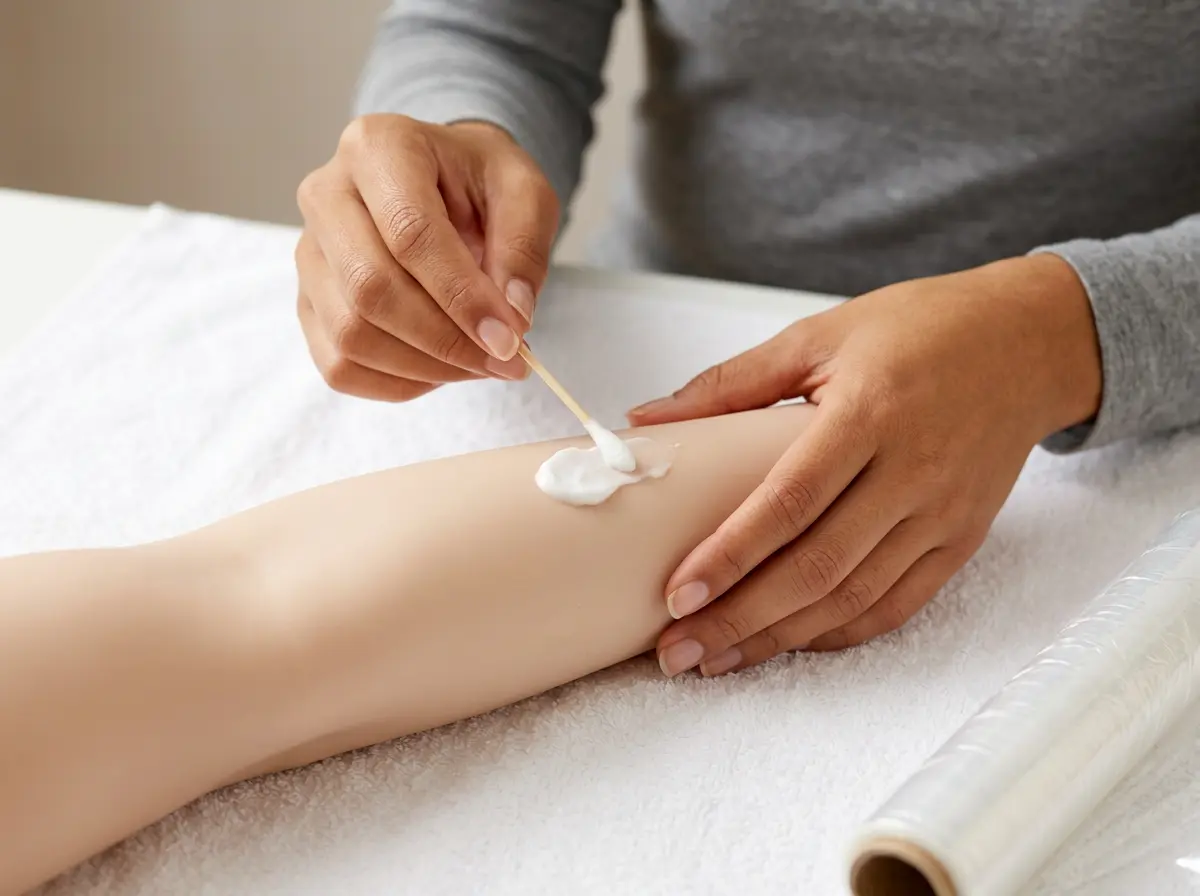
To remove a stain with cream, apply it, wrap it in cling film for 24 hours, then wipe and repeat. A stain-remover cream — also called a dechroming or color-remover paste — is a thick cream made to pull dye out of TPE.
Follow these steps for the cleanest result:
- Wash the stained area with mild soap and warm water. Pat it fully dry.
- Apply a generous, even layer of cream using a cotton swab until the stain is covered.
- Press clear cling film over the area to keep the cream moist and in contact.
- Wait 24 hours. For deep stains, some heavy pastes suggest 2–3 days.
- Peel off the film and wipe away the cream with a clean swab. Lifted dye shows on the swab.
- Wash, dry, and re-powder the area with cornstarch to restore the soft feel.
- Repeat the full cycle if any stain remains.
| Entity | Attribute | Value |
|---|---|---|
| Stain-remover cream | Wait time per round | 24 hours |
| Heavy dye paste | Extended wait | 2–3 days |
| Application tool | Best choice | Cotton swab + cling film |
⚠ Don’t overdo it
A thick layer of cream left on for many days at once can soften and damage TPE. Work in 24-hour rounds with washing in between — never one long, heavy coat.
Not seeing progress? Give it more time before you give up. A pale result after one round is normal for deep dye. Extend the next round to 36–48 hours, or switch to a stronger dechroming paste. Re-apply fresh cream each round, since old, dried cream stops pulling color.
The key takeaway: keep the cream moist under film, and repeat gently instead of rushing one big treatment.
Can you remove TPE doll stains with mineral oil or baby oil?
Yes — oil-based methods lift lighter stains because the dye is trapped in the doll’s own oils. Adding fresh oil helps draw that pigment back out. Mineral oil and baby oil both work, and even plain cooking oil does the job.
The method is simple and cheap. Soak a cotton pad or paper towel in oil. Lay it on the stain and cover it with cling film. Replace the oil-soaked towel every 24 hours, and light stains often fade by the next day.
Mineral oil is the gentlest and most popular pick, and baby oil (which is just scented mineral oil) works the same way. For a deeper stain, keep the oil compress going for 3–5 days, swapping the towel daily. Gentle warmth from a heated room can help — but skip harsh direct sun, which harms TPE.
| Entity | Attribute | Value |
|---|---|---|
| Cooking-oil compress | Replace towel | Every 24 hours |
| Cooking-oil compress | Typical fade time | By the next day |
| Oil method | Best for | Light, fresh, surface stains |
Pro tip
Use oil sparingly. Too much can leave the surface tacky — and excess oil can even pull dye out of clothing onto the doll. Always re-powder with cornstarch afterward.
In summary, oil is the cheapest and gentlest first try for any light stain on TPE.
Is benzoyl peroxide safe for a TPE sex doll?
Benzoyl peroxide can lift stains, but it is risky on a TPE sex doll and not our first choice. Benzoyl peroxide is an acne cream that also acts as a mild bleach on dye.
It comes in 2.5%, 5%, and 10% strengths. Owners spread it under plastic wrap, then leave the doll in sunlight to activate it. Here’s the problem: the method relies on heat and UV light, and both damage TPE. Under long sun exposure, TPE degrades, discolors, and can crack.
| Entity | Attribute | Value |
|---|---|---|
| Benzoyl peroxide | Common strengths | 2.5% / 5% / 10% |
| Activation | Requires | Sunlight/UV + hours of time |
| Proven on | Material | Vinyl & BJD dolls (not soft TPE) |
This trick is well documented for hard vinyl and BJD collector dolls — not for soft TPE. For your doll, a purpose-made dechroming cream or the oil method reaches the same result with far less risk. The most important thing to remember: if you try benzoyl peroxide at all, spot-test a hidden area first and skip the strong midday sun.
What should you never use to clean TPE stains?
Never use alcohol, acetone, bleach, or abrasive erasers on a TPE doll — they pit, crack, or ruin the surface. TPE is soft and reactive, so harsh chemicals do lasting harm.
| Avoid | Why it harms TPE |
|---|---|
| Isopropyl alcohol | Creates tiny pits and doesn’t lift trapped dye |
| Acetone / nail remover | Leaves the surface sticky and slowly dissolves it |
| Chlorine bleach | Cracks the material and destroys its softness |
| Magic eraser | Abrasive — it scratches the skin-like layer |
| Hot water over 40°C / 104°F | Warps, softens, and deforms the surface |
| Abrasive scrubbing | Wears down the matte skin finish and dulls it |
| Colored or scented soap | Can add its own dye or leave residue behind |
Keep wash water below 40°C (104°F) at all times, and use only clear, mild, unscented soap. Remember — even a purpose-made cream can harm TPE if you leave a thick layer on for days. When in doubt, do less and repeat. Bottom line: gentle always beats harsh in TPE stain care.
How do you prevent dark clothes from staining a TPE doll?
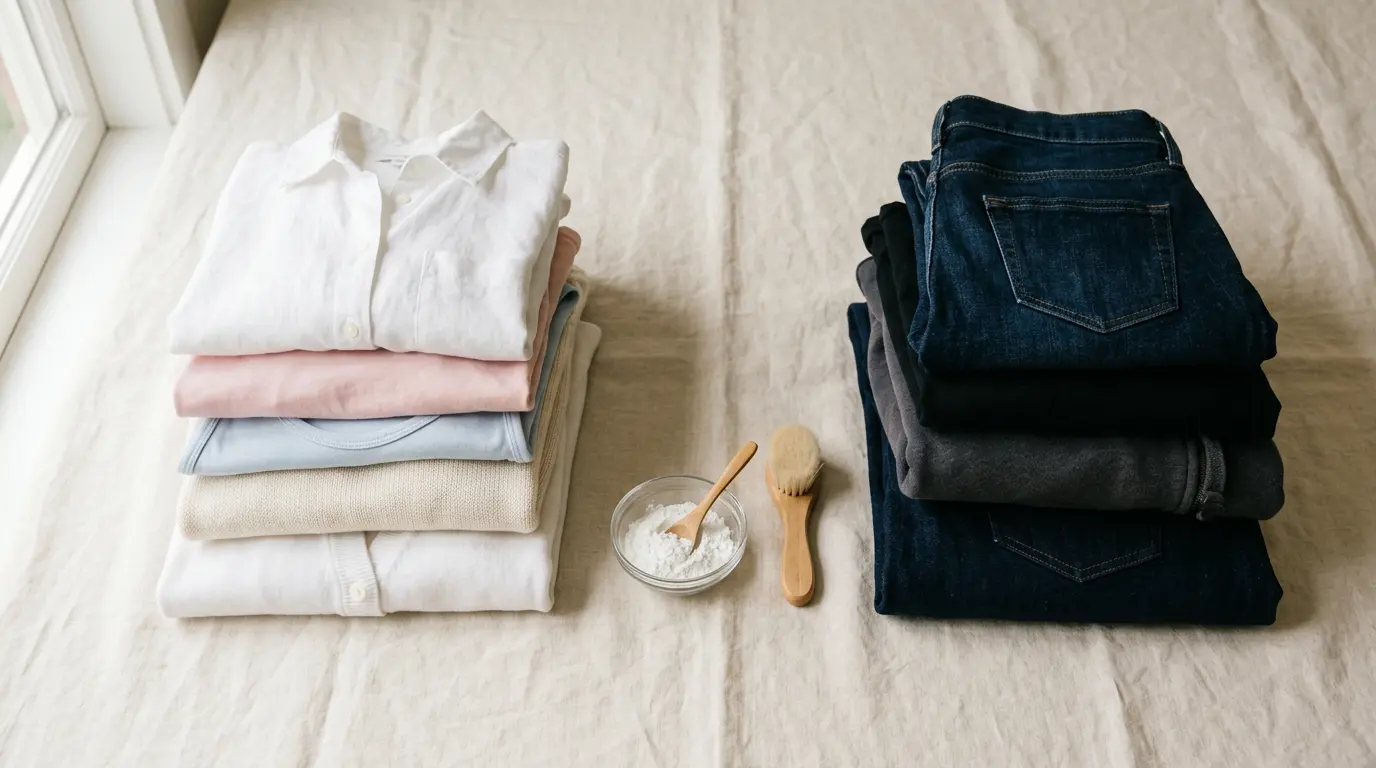
To prevent staining, pre-wash new dark clothes 2–3 times in cold water and add a light-colored barrier layer underneath. A little prep stops nearly every stain before it starts.
Build these habits into how you dress your doll:
- Pre-wash new dark or bright clothes 2–3 times in cold water before the first wear.
- Add a white or nude barrier — a body stocking or cotton layer — under any dark outfit.
- Favor light cotton and silk over denim and cheap, heavily-dyed fabric.
- Don’t leave the doll dressed in dark clothes for long stretches or overnight.
- Keep the doll out of direct sunlight and heat to protect the surface.
- Re-powder with cornstarch or renewal powder after each wash.
| Entity | Attribute | Value |
|---|---|---|
| New dark clothing | Pre-washes | 2–3 times, cold water |
| Barrier layer | Safe color | White / nude |
| Renewal powder | Type | Cornstarch or talc |
Storage matters too. Between outfits, keep the doll undressed or in white cotton. Summer clothes carry extra risk, since sweat and heat make dye bleed faster. If the doll wears a dark outfit for photos, undress it within a few hours rather than leaving it overnight.
To put it simply, a barrier layer plus pre-washed clothes stops most color transfer before it ever reaches the skin.
How often should you clean your TPE doll to prevent stains?
Clean your TPE doll every 2–4 weeks, and re-powder after each wash, to keep stains from ever setting in. A light, regular routine is the single best way to avoid deep dye marks.
Routine care catches dye while it still sits on the surface. It also keeps the material supple, so color has less chance to sink in. Build these easy habits into your schedule:
| Task | Frequency | Why it prevents stains |
|---|---|---|
| Gentle surface wash | Every 2–4 weeks | Removes dye before it sets deep |
| Re-powder with cornstarch | After each wash | Keeps the surface smooth and non-tacky |
| Quick stain inspection | Weekly | Catches dye transfer within 24 hours |
| Deep clean & nourish | Every 1–2 months | Keeps TPE supple and less grippy |
A quick weekly look-over takes under a minute and saves hours of stain removal later. In summary, a light routine every few weeks stops small stains from ever becoming permanent ones.
Should you DIY or buy a TPE doll stain remover?
Choose a DIY oil method for light stains and a purpose-made cream for deep dye. Your stain severity and budget decide the best route.
| Method | Time needed | Cost | Best for |
|---|---|---|---|
| Oil compress (DIY) | 1–2 days | Very low | Light, fresh stains |
| Stain-remover wipes | Minutes | Low | Surface marks, large areas |
| Dechroming cream | 1–3 days | ~$25–30 | Deep, set-in dye |
For stubborn dye, the SweetieDoll care team recommends a dedicated TPE stain-remover cream over household hacks. Purpose creams cost around $25–30 and are formulated not to harm the material. Whatever you pick, spot-test on a hidden area first, then re-powder when you’re done.
Think about cost over time, not just today. One tube of dechroming cream treats many stains, so ~$25–30 often outlasts repeated DIY attempts on tough dye. For a large, deep, or spreading stain you truly can’t shift, contact your doll’s manufacturer or seller — some offer repair or refinishing help.
Here’s what you need to know: match the method to the stain, and always start gentle before going stronger.
The takeaway on TPE doll stain removal
TPE doll stain removal is rarely as scary as that first dark mark looks. Act early, start with oil or a gentle cream, and repeat in short 24-hour rounds. Skip the harsh solvents, keep water under 40°C, and protect your doll with a barrier layer and pre-washed clothes. Above all, remember that most dye transfer is reversible when you catch it early and stay patient.
At SweetieDoll, we want your doll to stay soft and flawless for years to come. So treat stains calmly, build a light care routine, and most of them will simply fade away.
❓ Frequently asked questions
Leave stain-remover cream on for 24 hours under cling film per round. Heavy-duty pastes may suggest 2–3 days. Work in repeated rounds rather than one thick, long coat, which can soften the TPE.
Light stains sometimes fade slowly over weeks, but deep dye usually won’t clear without treatment. Treat any stain within the first 24 hours, since fresh stains lift far more easily than set-in ones.
Light-colored cotton and silk are safest because they rarely bleed. Avoid denim and dark, cheaply-dyed fabric, or place a white barrier layer between the clothing and the doll.
No. Isopropyl alcohol creates tiny pits and won’t lift trapped dye, and a magic eraser scratches the surface. Use a purpose-made cream or an oil method instead, then re-powder.
Yes. After cleaning and drying, dust the area with cornstarch or a TPE-safe renewal powder. This restores the smooth, skin-like feel and helps prevent stickiness and future staining.
📚 References
- Dye stain removal science: A university textile-care guide on lifting dye and color-transfer stains, including colorfastness testing. University of Georgia Extension — Textiles
- Color bleeding & prevention: An extension service guide covering dye transfer, sorting, cold-water washing, and pretreating stains. Texas A&M AgriLife Extension — Quick Stain Removal Guide (PDF)
- What TPE is: A materials-science overview of thermoplastic elastomers, their structure, and why oil content shapes their behavior. Kuraray — What is TPE?
- Why heat, UV & solvents damage TPE: A technical guide noting that TPEs degrade and discolor under UV, lose stability with heat, and react to hydrocarbons. Xometry — Thermoplastic Elastomers (TPE)
- Oil as a plasticizer in TPE: A manufacturing explainer on how rubber/mineral oil is blended into TPE to keep it soft — the reason dye sinks in. EuroPlas — The Secret Behind TPE Plastic